first alert 9120b owners manual

First Alert 9120B Owners Manual: A Comprehensive Guide

This manual provides essential guidance for the First Alert 9120B, covering installation, operation, maintenance, and troubleshooting for optimal fire safety assurance․

The First Alert 9120B is a hardwired, 120V AC ionization smoke alarm designed to provide early warning of fire, incorporating a 9V battery backup for continued operation during power outages․ This alarm, often upgraded to the SMI100-AC model, represents a significant advancement in home fire safety technology, focusing on faster installation and improved performance․ It’s engineered to minimize nuisance alarms, saving homeowners both time and potential disruption․

This comprehensive owner’s manual serves as a vital resource, detailing everything from initial setup and testing procedures to long-term maintenance and troubleshooting․ Understanding the features and limitations of your 9120B is crucial for ensuring its effectiveness․ Proper installation and regular testing, as outlined within, are paramount to reliable fire detection and ultimately, the safety of your home and family․ This guide aims to empower you with the knowledge needed to maximize the protection offered by your First Alert smoke alarm․

Key Features and Specifications

The First Alert 9120B boasts several key features, including 120V AC power with 9V battery backup, ensuring continuous protection even during electrical failures․ Utilizing ionization sensing technology, it effectively detects fast-flaming fires․ Its hardwired design allows for interconnection with other compatible First Alert or BRK smoke alarms (models SA4120, SA4121B, SA100B, SA520, BRK 3120B, 9120, 9120B, SC6120B, SC9120B), creating a whole-house alarm system․

Specifications include: Power source – 120V AC, 60Hz with 9V battery backup; Sensing technology – Ionization; Alarm volume – 85dB; Operating temperature – 40°F to 100°F (4°C to 38°C)․ The alarm is UL Listed, signifying it meets stringent safety standards․ Its design prioritizes reduced nuisance alarms and simplified installation․ Regular testing is recommended to verify functionality, and the unit includes a silence/hush feature for temporary alarm deactivation during cooking or other non-emergency situations․

Installation Guide

Proper installation is crucial for reliable performance․ This section details pre-installation safety, mounting locations, wiring instructions, and battery backup setup procedures․

Pre-Installation Safety Precautions

Before beginning installation of your First Alert 9120B smoke alarm, prioritize safety․ Always disconnect the power supply at the circuit breaker or fuse box to prevent electrical shock․ Carefully read all instructions and warnings included in this manual and on the alarm itself․

Ensure the mounting surface is stable and capable of supporting the alarm’s weight․ Avoid installing the alarm in areas with excessive dust, dirt, or insects, as these can interfere with its operation․ Do not install near air vents, kitchens, or bathrooms where steam or cooking fumes may cause false alarms;

If you are uncomfortable working with electrical wiring, consult a qualified electrician․ Improper wiring can create a fire hazard․ Keep packaging materials away from children, and dispose of them responsibly․ Following these precautions will help ensure a safe and effective installation process․

Mounting Location Requirements

Proper placement is crucial for optimal performance of your First Alert 9120B smoke alarm․ Install on a ceiling or high on a wall, ensuring no obstructions are within 3 feet․ Avoid corners where airflow is stagnant, potentially delaying smoke detection․

For ceiling mounting, position at least 4 inches from a wall․ Wall mounting should be between 4 and 12 inches from the ceiling․ Do not install in kitchens or bathrooms due to potential false alarms from cooking steam or humidity․ Avoid areas near air vents, windows, or doors that could affect airflow;

Each smoke alarm should be placed on every level of your home, inside and outside bedrooms․ Consider interconnected alarms for whole-house protection․ Regularly inspect mounting locations to ensure they remain unobstructed and suitable for effective smoke detection․

Wiring Instructions (120V AC)

Before commencing wiring, always disconnect power at the circuit breaker or fuse box to prevent electrical shock․ The First Alert 9120B is designed for 120V AC power․ Identify the neutral (white), hot (black), and ground (green or bare copper) wires․

Connect the black wire from the alarm to the black (hot) wire in the junction box using a wire connector․ Connect the white wire from the alarm to the white (neutral) wire․ Securely connect the green or bare copper wire from the alarm to the ground wire or grounding screw․

Ensure all connections are tight and wires are neatly tucked into the junction box․ Carefully mount the alarm base to the ceiling or wall․ Restore power at the breaker․ The alarm should power on, indicated by a light․ If it doesn’t, recheck all wiring connections․

Battery Backup Installation (9V)

The First Alert 9120B utilizes a 9V battery as a backup power source, ensuring continued operation during power outages․ Locate the battery compartment on the back of the smoke alarm․ Open the compartment cover․ Connect the 9V battery to the terminal, observing the correct polarity (+ to + and – to –), as indicated inside the compartment․

Ensure the battery snaps securely into place․ A properly installed battery will provide power for several days, though regular replacement is crucial․ Close the battery compartment cover․ It’s recommended to use a high-quality alkaline battery for optimal performance and longevity․

Test the alarm after battery installation to confirm the backup power is functioning correctly․ Replace the battery at least annually, or immediately if the alarm chirps, signaling low battery․

Operation and Testing

Regular testing of the First Alert 9120B is vital for ensuring proper functionality and reliable fire detection capabilities within your home environment․

Understanding Alarm Signals

The First Alert 9120B utilizes a distinct ionization smoke detection method, triggering a loud, pulsating alarm signal upon detecting smoke particles․ This signal isn’t a subtle chime; it’s designed to immediately alert occupants to a potential fire hazard․

The alarm’s pattern is crucial: a series of loud beeps, repeating consistently․ This differentiates a fire alarm from low-battery warnings, which typically present as intermittent chirps․ Understanding this difference is paramount for a swift and appropriate response․

Furthermore, the 9120B may also signal a malfunction with a unique pattern, as detailed in the full owner’s manual․ Familiarizing yourself with all potential alarm sounds – fire, low battery, and malfunction – ensures you can react correctly in any emergency situation, prioritizing safety and minimizing risk․

Regular Testing Procedures

Consistent testing of your First Alert 9120B smoke alarm is vital for ensuring its operational reliability․ A monthly test is strongly recommended․ To initiate a test, press and hold the test button located on the alarm’s face until a loud, piercing sound activates․

This sound simulates a fire alarm, confirming the electronic circuitry, horn, and battery backup (if present) are functioning correctly․ If the alarm doesn’t sound upon pressing the test button, immediately address the issue – likely a battery replacement or a potential malfunction requiring professional attention․

Documenting each test date can help maintain a consistent schedule․ Remember, regular testing doesn’t prevent fires, but it verifies your alarm is prepared to alert you if smoke is detected, providing crucial early warning and potentially saving lives․

Silence/Hush Feature Operation

The First Alert 9120B features a silence/hush button designed to temporarily quiet nuisance alarms caused by cooking smoke or steam․ Pressing the hush button will silence the alarm for a predetermined period, typically around 8-10 minutes․

This feature is crucial for preventing unnecessary disruptions while addressing the source of the non-threatening smoke․ However, it’s vital to understand the hush function doesn’t disable the alarm entirely; it only provides temporary relief․

The alarm will automatically reactivate if smoke levels rise again during the hush period․ Never use the hush button to ignore a potential fire; always investigate the cause of the initial alarm․ Repeated use of the hush button indicates a possible issue requiring investigation or relocation of the alarm․

Maintenance and Troubleshooting

Regular cleaning, battery checks, and addressing common issues ensure optimal performance of your First Alert 9120B smoke alarm, safeguarding your home effectively․

Cleaning the Smoke Alarm

Maintaining a clean smoke alarm is crucial for its proper function․ Dust, dirt, or insects can interfere with the sensor, leading to false alarms or a failure to detect smoke․ To clean your First Alert 9120B, begin by disconnecting the alarm from the power source – either by switching off the circuit breaker or removing the battery․

Gently vacuum the exterior of the alarm using a soft brush attachment․ Avoid using water, cleaning solvents, or chemicals, as these can damage the sensor․ For stubborn dirt, lightly dampen a cloth with water and carefully wipe the exterior․ Ensure the alarm is completely dry before reconnecting it to the power source․ Cleaning should be performed at least every six months, or more frequently if the alarm is located in a dusty environment․

Regular cleaning contributes significantly to the reliability and longevity of your smoke alarm, providing continued protection for your home and family․

Battery Replacement Guidelines

The First Alert 9120B utilizes a 9V battery as a backup power source, ensuring continued operation during power outages․ The alarm will typically chirp to indicate a low battery condition, signaling the need for replacement․ It’s crucial to replace the battery promptly, even if the chirp is intermittent․

Use only a fresh, high-quality 9V alkaline battery․ Avoid carbon-zinc or rechargeable batteries, as they may not provide sufficient power․ To replace the battery, disconnect the alarm from AC power․ Carefully remove the old battery and install the new one, ensuring correct polarity (+/-)․ Test the alarm immediately after battery replacement to confirm proper functionality․

Replace the battery at least once a year, or whenever the low battery chirp sounds․ Consistent battery maintenance is vital for reliable smoke detection and life safety․

Troubleshooting Common Issues

If your First Alert 9120B is chirping despite a new battery, ensure the battery is correctly installed with the proper polarity․ Persistent chirping can also indicate a malfunction; test the alarm using the test button․ If the alarm fails to respond, or if it frequently generates false alarms, investigate potential causes like dust, humidity, or nearby cooking fumes․

Clean the alarm regularly to remove dust and debris․ If the alarm is interconnected with others, a problem in one unit can trigger all alarms․ Disconnect each unit individually to isolate the faulty device․

If issues persist, consult the full owner’s manual or contact First Alert support for assistance․ Never attempt to repair the alarm yourself, as this could compromise its functionality and safety․

Alarm Limitations and Safety Information

Smoke alarms may not detect fires caused by steam, or chemicals; ionization alarms are more sensitive to flaming fires, not smoldering ones․

Understanding Ionization Smoke Detection

The First Alert 9120B utilizes ionization sensing technology, a reliable method for detecting fast-flaming fires․ This technology works by maintaining a small, electrically charged current between two electrodes within the detection chamber․ When smoke particles enter this chamber, they disrupt the current flow, triggering the alarm․

Ionization detectors are generally more responsive to smaller smoke particles produced by rapidly growing fires with visible flames․ However, they may be slower to react to slow, smoldering fires that produce larger smoke particles․ It’s crucial to understand this characteristic for comprehensive fire safety․ Regular testing and proper placement, alongside other fire safety measures, are essential to maximize protection․

While effective, ionization detection isn’t foolproof․ Factors like air currents, humidity, and the type of smoke can influence detection speed․ Therefore, combining different types of smoke alarms (ionization and photoelectric) throughout your home is a recommended best practice for enhanced safety․

False Alarm Prevention

Minimizing false alarms with your First Alert 9120B is crucial for maintaining reliable fire protection․ Common causes include cooking smoke, steam from showers, and dust accumulation․ Proper placement is key – avoid installing the alarm directly near kitchens or bathrooms․ Regularly clean the alarm (see maintenance section) to remove dust and debris that can trigger false readings․

Ensure adequate ventilation when cooking․ If nuisance alarms occur frequently, consider utilizing the hush/silence feature (refer to operation section) for temporary relief․ However, never disable the alarm permanently․ Investigate the cause of each alarm, even if it seems minor․

Avoid testing with open flames, as this can damage the sensor․ Be mindful of aerosol sprays and strong cleaning agents near the alarm․ A properly maintained and strategically placed 9120B significantly reduces the likelihood of unwanted activations, ensuring a swift response to genuine fire emergencies․

Fire Safety Best Practices

Beyond relying on your First Alert 9120B, comprehensive fire safety requires proactive measures․ Develop and practice a home escape plan with all household members, designating meeting points outside․ Ensure everyone understands the sound of the alarm and knows how to evacuate quickly and safely․ Regularly inspect and maintain all potential fire hazards, such as electrical cords and appliances․

Never leave cooking unattended, and keep flammable materials away from heat sources․ Store matches and lighters out of children’s reach․ Consider installing additional smoke alarms on every level of your home, especially near bedrooms․

A working fire extinguisher is also recommended, and all occupants should know how to use it properly․ Remember, the 9120B is a vital component of a broader fire safety strategy, but it’s most effective when combined with responsible habits and preparedness․

Technical Details

The First Alert 9120B utilizes ionization sensing, is 120V AC powered with 9V battery backup, and is UL Listed for reliable performance and safety․

Alarm Sensitivity Adjustment

The First Alert 9120B ionization smoke alarm doesn’t feature user-adjustable sensitivity settings․ Its sensitivity is factory-set to provide optimal performance in detecting fast-flaming fires․ Altering the sensitivity isn’t possible, as it’s designed to meet stringent UL standards for reliable fire detection․ However, maintaining a clean alarm is crucial; dust and debris can reduce sensitivity, leading to potential false negatives․

Regular cleaning, as detailed in the maintenance section, helps ensure the alarm operates as intended․ While some advanced models offer sensitivity adjustments, the 9120B prioritizes consistent, pre-calibrated performance․ If nuisance alarms occur frequently, investigate potential causes like cooking fumes or steam, rather than attempting to adjust the alarm itself․ Proper placement, away from these sources, is key to minimizing false alarms and maximizing fire safety․

Interconnect Capability

The First Alert 9120B hardwired smoke alarm does not possess interconnect capability․ This means that if one alarm detects smoke, it will sound only that specific unit, and will not trigger alarms in other locations within the home․ This differs from some advanced models that can be interconnected, allowing all connected alarms to sound simultaneously upon detection․

For whole-house interconnected protection, consider upgrading to a compatible First Alert model specifically designed with this feature․ Interconnection provides enhanced safety, ensuring everyone is alerted quickly in the event of a fire, regardless of where it originates․ While the 9120B offers reliable standalone protection, it lacks the added benefit of a synchronized alarm system․ Always consult the product specifications before purchasing to confirm interconnect functionality․

Compliance Standards (UL Listed)

The First Alert 9120B smoke alarm is proudly UL Listed, signifying it has undergone rigorous testing by Underwriters Laboratories to meet stringent safety standards․ This certification assures consumers that the alarm has been evaluated for its performance, reliability, and electrical safety․ UL Listing demonstrates the 9120B conforms to nationally recognized standards for smoke detection and warning devices, providing a crucial layer of confidence in its functionality․

Compliance with UL standards is essential for fire safety products, ensuring they operate as intended during an emergency․ The UL mark on the 9120B indicates it meets requirements for sensitivity, response time, and durability․ This independent verification offers peace of mind, knowing the alarm has been thoroughly assessed and deemed safe for residential use․ Always look for the UL Listed mark when selecting a smoke alarm․

Warranty Information

First Alert provides a warranty covering defects in materials and workmanship for the 9120B․ Contact First Alert Support for detailed coverage specifics and claim procedures․

Warranty Coverage Details

First Alert warrants this smoke alarm to be free from defects in material and workmanship for a period of one year from the date of purchase․ This warranty covers defects in manufacturing that affect the functionality of the alarm, including its ability to detect smoke and sound an alarm․

The warranty does not cover damage resulting from improper installation, misuse, abuse, neglect, accidental damage, or unauthorized modification․ It also excludes battery depletion, as batteries are consumable items․ To obtain warranty service, you must provide proof of purchase, including the date of sale․

First Alert will, at its option, either repair or replace the defective alarm free of charge․ This warranty is your exclusive remedy․ First Alert is not liable for any incidental or consequential damages․ This warranty gives you specific legal rights, and you may have other rights which vary from state to state․

Contacting First Alert Support

For assistance with your First Alert 9120B smoke alarm, several support channels are available․ You can reach First Alert’s customer service team via phone at 1-800-323-9006․ Their representatives are equipped to answer questions regarding installation, operation, troubleshooting, and warranty claims․

Alternatively, comprehensive support resources, including frequently asked questions, user manuals, and safety information, are readily accessible on the First Alert website at www․firstalert․com․ You can also submit inquiries through their online contact form․

When contacting support, please have your model number (9120B) and date of purchase readily available to expedite the assistance process․ First Alert is committed to providing prompt and helpful support to ensure your safety and peace of mind․


egyptian gods family tree pdf

Exploring the intricate relationships within the Egyptian pantheon requires visual aids, like an Egyptian gods family tree PDF.

These charts detail lineages, historical timelines, and geographical contexts of ancient Egypt, offering a comprehensive overview.

Understanding these familial connections unlocks deeper insights into mythology and religious practices.

The Significance of Genealogy in Ancient Egypt

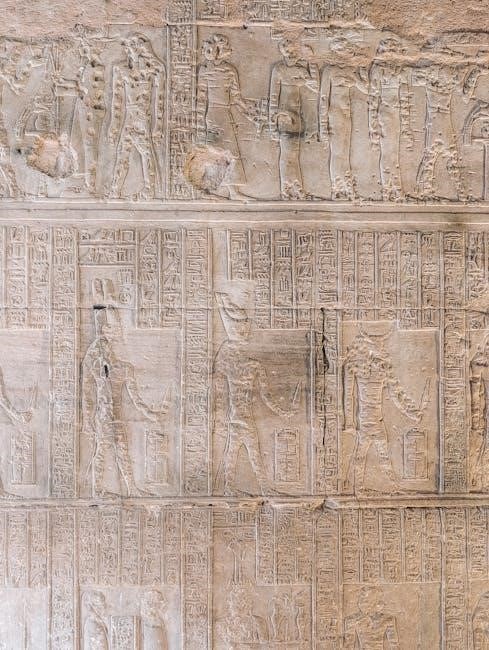
Genealogy wasn’t merely a historical record for ancient Egyptians; it was fundamentally interwoven with their religious beliefs and understanding of cosmic order. An Egyptian gods family tree PDF illustrates how meticulously they tracked divine descent, believing it legitimized power and explained the natural world.

The pharaohs, considered divine rulers, directly linked their lineage to the gods, bolstering their authority. Tracing ancestry back to deities like Ra or Osiris reinforced their claim to the throne and their role as intermediaries between the human and divine realms.

These family trees, often depicted in temple reliefs and papyri – now accessible in PDF format – weren’t static. They evolved with changing theological interpretations and the rise of different cult centers. The Ennead of Heliopolis, for example, represents one specific genealogical framework.

Understanding these connections was crucial for performing correct rituals and maintaining Ma’at – the concept of truth, balance, and justice. A clear understanding of divine relationships, as presented in these charts, ensured cosmic harmony and the continued prosperity of Egypt. Therefore, studying an Egyptian gods family tree PDF provides insight into the core of ancient Egyptian worldview.

Understanding the Complexity of Egyptian Mythology

Egyptian mythology isn’t a single, unified narrative; it’s a collection of regional variations, overlapping stories, and evolving interpretations. An Egyptian gods family tree PDF becomes an invaluable tool for navigating this complexity, revealing how different deities were connected and how their roles shifted over time.

The same god could have multiple epithets and associations depending on the location and period. For instance, a deity prominent in one city might be less significant elsewhere. These charts help visualize these nuances, demonstrating how local cults integrated gods into their specific cosmological frameworks.

Furthermore, the relationships within these divine families weren’t always straightforward; Incest, sibling rivalry, and complex alliances were common themes, reflecting the turbulent nature of the cosmos as perceived by the Egyptians. A detailed PDF can help untangle these intricate connections.

Studying these family trees reveals that Egyptian mythology wasn’t about simple good versus evil, but about maintaining balance and order within a chaotic universe. Accessing an Egyptian gods family tree PDF offers a structured approach to comprehending this fascinating, multifaceted belief system.

The Primordial Gods and Creation Myths

Tracing the origins of the Egyptian pantheon begins with primordial deities; an Egyptian gods family tree PDF illustrates these early beings.

It depicts Atum, Nun, and the Ennead’s emergence.

These charts visualize creation narratives.

Atum: The Self-Created God

Atum, central to Egyptian cosmology, embodies self-creation, arising from the primordial waters of Nun. An Egyptian gods family tree PDF visually represents Atum’s pivotal role as the progenitor of the Ennead – the nine principal deities of Heliopolis.

These charts demonstrate how Atum, often depicted as a complete and potent being, initiated creation through thought and will. He is frequently shown in human form, sometimes crowned with the double plume, or as a ram-headed figure. The PDF clarifies that Atum brought forth Shu and Tefnut, the gods of air and moisture, through an act of self-procreation.

Understanding Atum’s position within the family tree is crucial. He represents the beginning, the source from which all other gods and goddesses emanated. The visual aid helps to grasp the complex relationships and the hierarchical structure of the Egyptian pantheon, solidifying Atum’s importance as the ultimate creator god.

The PDF also highlights his association with the setting sun, symbolizing completion and rebirth.

Nun: The Primordial Waters

Nun represents the chaotic, boundless waters from which all creation emerged in Egyptian mythology. An Egyptian gods family tree PDF illustrates Nun not as a deity within the established pantheon, but as the pre-existing state before gods existed. It’s the formless void, the potential for everything.

These visual representations often depict Nun as a vast, dark expanse, sometimes personified as a male deity submerged in water. The PDF clarifies that from Nun arose the first land, and ultimately, Atum, the self-created god. Nun isn’t a direct ancestor in the traditional sense, but the foundational element upon which the entire divine family tree rests.

Understanding Nun’s role requires recognizing the Egyptian concept of creation as an ordering of chaos. The family tree PDF emphasizes that Nun didn’t create intentionally; existence simply arose from Nun. This highlights the cyclical nature of Egyptian cosmology – a return to Nun representing dissolution and rebirth.

The PDF also shows how Nun continues to exist alongside creation, a constant potential for return to the primordial state.

The Ennead of Heliopolis

The Ennead, meaning “the Nine,” represents a core group of deities central to the Heliopolitan creation myth. An Egyptian gods family tree PDF prominently features this grouping, illustrating their interconnected relationships. It’s a foundational element for understanding Egyptian cosmology.

Typically, the Ennead consists of Atum, Shu, Tefnut, Geb, Nut, Osiris, Isis, Set, and Nephthys. The PDF visually demonstrates how Atum initiated the lineage, with Shu and Tefnut representing air and moisture, giving rise to Geb (earth) and Nut (sky). Osiris, Isis, Set, and Nephthys then emerge from this pairing.

These charts often highlight the complex familial dynamics – the marriages, rivalries, and alliances – within the Ennead. The PDF clarifies that this isn’t merely a list of gods, but a structured family with defined roles and responsibilities. Understanding these relationships is crucial for interpreting Egyptian myths and religious beliefs.

The Ennead’s prominence in the PDF underscores its importance as a foundational narrative for Egyptian religious thought and practice.

Key Divine Families and Their Relationships

Egyptian gods family tree PDFs illustrate pivotal familial bonds – Osiris, Isis, and Horus, alongside Set, Nephthys, and Anubis.

These charts reveal complex dynamics and divine lineages.

Osiris, Isis, and Horus: A Central Family

Central to understanding Egyptian mythology is the family of Osiris, Isis, and Horus, frequently detailed in Egyptian gods family tree PDFs. Osiris, the benevolent king and god of the afterlife, was tragically murdered by his brother Set.

Isis, Osiris’s devoted wife, miraculously resurrected him long enough to conceive their son, Horus. This narrative forms a cornerstone of Egyptian beliefs surrounding death, resurrection, and divine kingship.

These PDFs visually represent the complex relationships, showcasing Isis’s magical prowess and unwavering loyalty. Horus, embodying vengeance and rightful rule, battled Set to reclaim his father’s throne.

The family’s story symbolizes the triumph of good over evil, order over chaos, and the cyclical nature of life. Examining their lineage within a family tree clarifies the significance of each deity’s role and their interconnectedness within the broader pantheon. The PDF resources often highlight the importance of this family in Egyptian funerary practices and royal succession.

Set, Nephthys, and Anubis: The Counterpart Family

Often presented alongside Osiris’s family in Egyptian gods family tree PDFs is the counterpart lineage of Set, Nephthys, and Anubis. Set, the god of chaos, storms, and the desert, represents a necessary, though often destructive, force in the cosmic balance.

His wife, Nephthys, is a complex figure associated with mourning, protection, and the night. Unlike the devoted Isis, Nephthys’s relationship with Set is often portrayed as fraught with tension, yet she played a crucial role in protecting Osiris’s son, Horus.

From their union came Anubis, the jackal-headed god of embalming and the afterlife. Anubis guided souls through the underworld and oversaw the weighing of the heart ceremony.

These PDFs illustrate how Anubis, despite his parentage, often assisted Osiris and Isis, demonstrating the nuanced morality within Egyptian mythology. The family tree clarifies Set’s position as a necessary antagonist, while highlighting Nephthys’s protective nature and Anubis’s vital role in the afterlife. Their story adds depth to the overarching narrative of order versus chaos.

Ra and His Descendants

Representations of Ra’s lineage are central to many Egyptian gods family tree PDFs, as he is the sun god and a creator deity. These charts typically depict Ra as self-created or emerging from the primordial waters of Nun, establishing him as a foundational figure.

His most prominent descendants include Shu (god of air) and Tefnut (goddess of moisture), born from Ra’s own body. These deities, in turn, produced Geb (earth) and Nut (sky), further expanding the divine family.

The PDFs often illustrate Ra’s daily journey across the sky in his solar barque, battling the serpent Apophis each night to ensure the sun’s rebirth. This cycle emphasizes his role in maintaining cosmic order.

Furthermore, many depictions show Ra merging with other deities, like Amun (becoming Amun-Ra), demonstrating the evolving nature of Egyptian religious beliefs. Understanding Ra’s descendants, as detailed in these visual guides, is crucial for grasping the complex relationships and power dynamics within the Egyptian pantheon and their impact on daily life.

Exploring Specific Divine Lineages

Detailed Egyptian gods family tree PDFs allow focused study of individual lineages, like Geb and Nut’s children.

These charts reveal complex relationships and divine roles within the pantheon.

The Family of Geb and Nut

Examining the family of Geb and Nut through an Egyptian gods family tree PDF reveals a pivotal generation in Egyptian mythology. Geb, the earth god, and Nut, the sky goddess, were central figures whose union produced the most prominent deities of the Ennead.

These PDFs visually demonstrate their five children: Osiris, Isis, Set, Nephthys, and Horus the Elder. Understanding their births is crucial, as Nut conceived them in secret, defying Ra’s decree. The charts often illustrate the story of how Thoth intervened, adding days to the calendar to allow for their births.

Furthermore, these visual representations clarify the complex relationships that arose from this family. Osiris and Isis’s eventual marriage and Horus’s birth are key elements in the myth of resurrection and kingship. Conversely, the rivalry between Osiris and Set, and the roles of Nephthys and Anubis, are also clearly depicted. A well-designed PDF will highlight these connections, offering a comprehensive understanding of this foundational divine lineage.

The Children of Shu and Tefnut

Analyzing the lineage of Shu and Tefnut via an Egyptian gods family tree PDF showcases their vital role in the creation narrative. As the god of air and goddess of moisture, respectively, their offspring represent fundamental aspects of the world. These PDFs typically illustrate Shu and Tefnut as emerging from Atum, establishing a clear generational link.

Their children, Geb (earth) and Nut (sky), are prominently featured, demonstrating the separation of the primordial chaos. The charts often depict Shu physically separating Geb and Nut, creating the space for life to flourish. This visual representation is crucial for understanding the Egyptian cosmology.

Moreover, these family tree PDFs highlight the significance of this generation in establishing the divine order. The subsequent births of Osiris, Isis, Set, Nephthys, and Horus the Elder from Geb and Nut are directly linked to Shu and Tefnut’s initial act of creation. A detailed PDF will emphasize these connections, providing a clear understanding of this essential divine family and their impact on Egyptian mythology.

The Lineage of Amun

Examining the lineage of Amun through an Egyptian gods family tree PDF reveals his evolution from a relatively obscure deity to a prominent state god. Initially, Amun was associated with Thebes and often depicted alongside his consort, Mut, and their son, Khonsu. These PDFs visually demonstrate this early familial grouping, showcasing Amun’s foundational relationships.

However, the charts also illustrate Amun’s syncretism with Ra, becoming Amun-Ra, a powerful solar and creator god. This merging is clearly depicted, highlighting the increasing importance of Amun in the Egyptian pantheon. The PDF will show how Amun-Ra absorbed attributes and worship from Ra, solidifying his position.

Furthermore, these family tree resources often detail Amun’s complex relationships with other deities, including connections to Ptah and Montu. Understanding these connections requires a comprehensive PDF that traces Amun’s lineage and evolving role within the complex web of Egyptian mythology, demonstrating his ultimate influence.

Resources for Studying Egyptian God Family Trees

Numerous Egyptian gods family tree PDFs are available online, alongside databases and visual wallcharts.

These resources aid in deciphering complex relationships and historical contexts.

Availability of Egyptian Gods Family Tree PDFs

A wealth of Egyptian gods family tree PDFs are readily accessible online, catering to various levels of study and interest. These downloadable resources range from simple, introductory charts ideal for beginners to incredibly detailed and comprehensive genealogical maps designed for advanced researchers. Many museums and educational institutions offer free PDFs on their websites, often accompanying online exhibits or lectures about ancient Egyptian mythology.

Searching online using keywords like “Egyptian gods family tree PDF,” “genealogy of Egyptian deities,” or “Ennead family tree” will yield numerous results. Websites dedicated to ancient history and mythology frequently host these PDFs, providing valuable supplementary material. Some PDFs include not only the family relationships but also timelines of Egyptian history, maps of Upper and Lower Egypt, and guides to hieroglyphs, enhancing the learning experience. Be mindful of the source’s credibility when downloading, ensuring the information is accurate and well-researched. Several commercially available books also include detailed family trees, often scanned and shared as PDFs.

Online Databases and Websites

Numerous online databases and websites offer interactive and detailed explorations of Egyptian gods family trees, surpassing the limitations of static PDFs. These platforms often present information in a dynamic, visually engaging format, allowing users to navigate the complex relationships between deities with ease. Websites specializing in ancient Egyptian mythology, like those dedicated to specific gods or pharaohs, frequently include genealogical charts as part of their broader content.

Exploring resources like the Digital Egypt for Universities project provides scholarly information and visual representations of the pantheon. Other sites compile information from various sources, creating comprehensive databases searchable by deity name or family affiliation. These databases often include details about each god’s attributes, roles, and associated myths. While a direct “Egyptian gods family tree PDF” download might not always be available, these websites offer a more interactive and in-depth understanding of the divine lineages. Remember to cross-reference information from multiple sources to ensure accuracy and a well-rounded perspective.

Wallcharts and Visual Representations

While searching for an “Egyptian gods family tree PDF,” consider the benefits of physical wallcharts and visual representations. These offer a tangible, at-a-glance overview of the complex relationships within the Egyptian pantheon, often incorporating timelines of Egyptian history and maps of Upper and Lower Egypt for contextual understanding. Many charts depict the primordial gods and their descendants, providing a clear visual lineage.

These resources are particularly useful for students and enthusiasts seeking a quick reference guide. Wallcharts frequently include key pharaohs, hieroglyphs, and information about the largest pyramids, enriching the learning experience. Though not digital, they serve as excellent companions to online resources and downloadable PDFs. The availability of these charts varies, ranging from educational suppliers to museum gift shops. They provide a visually stimulating way to grasp the intricate connections between gods and goddesses, offering a broader understanding of ancient Egyptian beliefs and mythology beyond a simple family tree.

The Bing Homepage Quiz & Egyptian Mythology (Current Events ー 03/14/2026)

Today, March 14th, 2026, the Bing Homepage Quiz features Egyptian Mythology! Testing knowledge, perhaps inspired by resources like an Egyptian gods family tree PDF.

Bing Daily Quiz: A Gateway to Learning

The Bing daily quiz, accessible via the ‘Q’ icon or a direct search, presents a fun and engaging method for expanding one’s knowledge base. Currently, with the spotlight on Egyptian Mythology, the quiz offers a unique opportunity to test understanding of complex topics like divine lineages.

Resources such as an Egyptian gods family tree PDF become invaluable tools for preparation and deeper exploration. These PDFs visually map out the relationships between deities, aiding comprehension of the intricate family structures within the pantheon.

Successfully answering the three daily multiple-choice questions not only satisfies intellectual curiosity but also unlocks Microsoft Rewards points. This incentivizes continuous learning and encourages users to delve further into subjects like ancient Egyptian religion and history. The quiz serves as an excellent starting point for those interested in exploring detailed charts and timelines of Egyptian civilization.

Furthermore, the quiz’s connection to the Bing homepage image adds a visual element, potentially hinting at quiz content and prompting users to seek out supplementary materials, like the aforementioned family tree resources.

Egyptian Mythology as a Quiz Topic

The inclusion of Egyptian Mythology in the Bing daily quiz highlights the enduring fascination with this ancient civilization and its complex belief system. Questions likely revolve around key deities, creation myths, and, crucially, the relationships between gods and goddesses.

Understanding these connections is where an Egyptian gods family tree PDF proves exceptionally useful. These visual guides illustrate the lineage of figures like Osiris, Isis, and Horus, as well as the primordial gods like Atum and Nun, making it easier to grasp the intricate family dynamics.

Quiz questions might test knowledge of these familial ties – for example, identifying the parents of Anubis or the siblings within the Ennead of Heliopolis. A well-structured PDF provides a quick reference for such inquiries.

The quiz format encourages concise recall of information, prompting users to familiarize themselves with the core relationships depicted in these family tree charts. It’s a playful way to reinforce learning about this captivating mythology.

Earning Microsoft Rewards Through Trivia

Participating in the daily Bing Homepage Quiz offers a unique opportunity to earn Microsoft Rewards points simply by demonstrating knowledge. Successfully answering questions, even those focused on complex topics like Egyptian Mythology, contributes to accumulating these rewards.

A solid understanding of the pantheon, particularly the familial relationships between deities, is advantageous. Having access to resources like an Egyptian gods family tree PDF can significantly improve your chances of answering correctly.

These PDFs visually represent the lineage of gods and goddesses, making it easier to recall who is related to whom – a common quiz question format. Knowing the connections between Osiris, Isis, Horus, Set, and others is key.

The rewards earned can then be redeemed for various benefits, including gift cards and Microsoft Store credit. Therefore, investing time in studying, aided by a comprehensive family tree chart, translates into tangible rewards for engaging with the quiz.

old singer sewing manuals

Old Singer Sewing Manuals: A Comprehensive Guide

Delve into the fascinating world of vintage Singer sewing machines! These manuals offer a unique glimpse into a bygone era, providing invaluable insights for enthusiasts and collectors alike.

Historical Significance of Singer Manuals

Singer sewing machine manuals are far more than just instruction booklets; they represent a pivotal period in domestic technology and social history. Emerging alongside the industrial revolution, these manuals democratized sewing, transitioning it from a skilled trade to a common household practice.

Early manuals, often simple in design, reflect the initial adoption of the sewing machine and the need to educate a largely unfamiliar public. As Singer evolved, so did the manuals, becoming increasingly detailed and sophisticated, mirroring advancements in machine technology. They document the changing roles of women, empowering them with greater independence and creative control over clothing and textiles.

Furthermore, these manuals offer a tangible connection to the past, providing insights into the manufacturing processes, marketing strategies, and consumer culture of the 19th and 20th centuries. They are valuable primary sources for researchers studying social, technological, and economic history, offering a unique window into a transformative era.

Early Singer Manuals (1850s-1900s)

The earliest Singer manuals, dating from the 1850s through the turn of the century, were often quite rudimentary. Reflecting the nascent stage of both the company and the technology, these booklets prioritized basic operational instructions. Illustrations, when present, were typically simple line drawings, focusing on core functions like threading and stitch regulation.

These manuals frequently lacked the detailed troubleshooting guides found in later editions. Instead, they emphasized the machine’s novelty and ease of use, aiming to overcome initial consumer apprehension. Paper quality was often modest, and bindings were simple, indicative of the era’s production methods and cost considerations.

As Singer gained prominence, manuals gradually expanded in scope, incorporating more detailed diagrams and explanations. However, they remained relatively concise, assuming a degree of mechanical aptitude from the user. These early manuals represent a fascinating glimpse into the dawn of home sewing technology and Singer’s pioneering role in its development.

The Golden Age of Singer Manuals (1910s-1950s)

The period between the 1910s and 1950s represents the zenith of Singer manual design and content. This era witnessed a significant expansion in both the complexity of Singer machines and the corresponding detail within their accompanying manuals. Illustrations became more sophisticated, utilizing detailed artwork and often incorporating exploded diagrams to clarify internal mechanisms.

Manuals during this time weren’t merely instruction guides; they were comprehensive resources covering machine operation, detailed maintenance schedules, and extensive troubleshooting sections. The inclusion of information on various attachments and their specific uses became standard. Paper quality improved, and many manuals featured durable covers, reflecting Singer’s commitment to quality.

This “Golden Age” also saw the standardization of manual formats, making them easier to navigate and understand. These manuals are highly sought after by collectors and restorers today, offering a wealth of information for preserving these iconic machines.

Identifying Different Singer Sewing Machine Models Through Manuals

Singer sewing machine manuals are invaluable tools for accurate model identification. While serial numbers offer clues, manuals provide definitive confirmation, detailing specific features unique to each model. Early manuals often prominently display the model name and number on the cover, simplifying the process.

Internal illustrations are crucial; diagrams of the machine’s mechanics, particularly the bobbin mechanism and stitch regulators, vary significantly between models. Manuals also list specific attachments included with each machine, offering another identifying characteristic.

Pay close attention to the manual’s publication date and any accompanying model-specific addenda or supplements. These details can differentiate between variations within a model line. Comparing the manual’s illustrations and descriptions with the physical machine is the most reliable method for positive identification, ensuring accurate restoration and parts sourcing.

Dating Your Singer Sewing Machine Using Manual Information

Determining the age of your Singer sewing machine can be achieved through careful examination of its accompanying manual. Manuals frequently include copyright dates or publication information, providing a firm starting point for establishing a timeframe. However, remember that a manual’s date doesn’t always precisely match the machine’s production date.

Early manuals often lack precise dating, relying on stylistic cues and illustrations to indicate their era. Later manuals, particularly those from the 20th century, become more specific. Cross-referencing the manual’s contents with known Singer production timelines is essential.

Consider the manual’s illustrations; the evolution of illustration styles – from simple line drawings to more detailed and colorful depictions – can offer clues. Combine manual information with the machine’s serial number for the most accurate dating, understanding that manuals were sometimes reused across multiple production years.

Types of Information Found in Singer Manuals

Singer sewing machine manuals are treasure troves of practical knowledge for both novice and experienced users. Core content revolves around detailed machine operation instructions, explaining threading, stitch selection, and various machine functions. Crucially, manuals dedicate sections to troubleshooting common issues, guiding users through resolving jams, tension problems, and other mechanical difficulties.

Beyond operation, comprehensive manuals include vital maintenance and oil points diagrams, ensuring longevity and smooth performance. These diagrams illustrate precisely where to apply oil for optimal lubrication. Early manuals often featured simpler explanations, while later editions expanded to cover more complex machine features and attachments.

Many manuals also detail available accessories and their uses, effectively serving as a catalog of Singer’s offerings. Understanding this information unlocks the full potential of your vintage machine.

Machine Operation Instructions

Singer manuals meticulously detail the operation of each sewing machine model. Instructions begin with preparing the machine – winding the bobbin, threading the needle (often with detailed diagrams), and setting up the fabric. They then progress to explain stitch selection, adjusting stitch length and width, and utilizing various presser feet.

Early manuals often focused on straight stitching, while later editions covered zigzag, buttonhole, and decorative stitch capabilities. Clear explanations are provided for tension adjustments, crucial for achieving balanced stitches. Manuals also guide users on techniques like backstitching, pivoting, and handling different fabric types.

These instructions weren’t merely functional; they aimed to empower users to confidently create garments and household items, fostering a culture of home sewing.

Troubleshooting Common Issues

Old Singer manuals dedicate significant space to resolving typical sewing machine problems; Common issues addressed include thread breakage, skipped stitches, uneven tension, and the machine failing to operate smoothly. Manuals provide step-by-step guidance, often starting with simple checks like re-threading the machine correctly or cleaning lint buildup.

They detail how to diagnose and fix issues with the bobbin case, needle plate, and timing mechanisms. Illustrations are frequently used to demonstrate proper component alignment. Manuals also address more complex problems, such as motor malfunctions or issues with the drive belt, offering advice on when professional repair might be necessary.

These troubleshooting sections reflect Singer’s commitment to user self-reliance and machine longevity, empowering owners to maintain their machines independently.

Maintenance and Oil Points

Singer manuals meticulously detail routine maintenance procedures crucial for preserving machine functionality. They emphasize the importance of regular cleaning to remove lint, dust, and old oil, preventing gumming and wear. Detailed diagrams pinpoint specific oil points – often using illustrations – indicating where to apply oil to ensure smooth operation of gears, bearings, and moving parts.

Manuals specify the type of oil recommended (typically a light machine oil), cautioning against using heavier oils that could attract dirt. They outline schedules for oiling, ranging from after each use to monthly intervals, depending on machine usage. Proper lubrication is presented as key to extending the machine’s lifespan and preventing costly repairs.

These sections highlight Singer’s understanding that consistent care is paramount for reliable performance.

The Evolution of Singer Manual Illustration Styles

Early Singer manuals (1850s-1900s) often featured simple, woodcut-style illustrations. These were functional, depicting machine parts and operations with a focus on clarity rather than artistic detail. As printing technology advanced, the 1910s-1950s – considered the “Golden Age” – saw a shift towards more detailed and aesthetically pleasing illustrations.

Manuals from this period incorporated halftone printing, allowing for shaded images and a greater sense of realism. Exploded diagrams became common, showcasing the internal workings of the machine with impressive precision. Color was gradually introduced, initially sparingly, then more extensively, enhancing comprehension and visual appeal.

Later manuals experimented with different artistic styles, reflecting broader design trends. The evolution of these illustrations mirrors Singer’s commitment to both functionality and user experience.

Where to Find Old Singer Sewing Manuals

Locating vintage Singer manuals requires a bit of detective work, but several avenues exist. Online resources are a great starting point, with numerous websites dedicated to preserving and sharing these historical documents. Antique shops and auctions frequently yield treasures, though condition and price can vary significantly.

Estate sales are another promising source, often uncovering entire collections of sewing-related items. Online auction platforms, like eBay, offer a wide selection, but careful examination of photos and descriptions is crucial. Don’t overlook local sewing machine repair shops; they sometimes have manuals accumulated over years of service.

Networking with fellow Singer enthusiasts through online forums and clubs can also lead to valuable finds. Patience and persistence are key to building a comprehensive collection.

Online Resources for Singer Manuals

The internet provides a wealth of resources for locating Singer sewing machine manuals. Several dedicated websites specialize in archiving and providing free access to these valuable documents. Websites often allow searching by model number or year of manufacture, streamlining the process.

Google Flights, while primarily for travel, demonstrates the power of online search for specific needs – a similar approach applies to manual hunting. Internet Archive is a non-profit offering digitized versions of countless manuals, preserving them for future generations. Online forums and communities dedicated to vintage sewing machines are also excellent sources, with members often sharing scans or links to manuals.

Be cautious of download sites requiring registration or promising “free” manuals with hidden costs. Reputable sites prioritize accessibility and preservation.

Physical Sources: Antique Shops and Auctions

Beyond the digital realm, physical locations remain fruitful hunting grounds for vintage Singer manuals. Antique shops specializing in textiles, sewing machines, or ephemera frequently stock these manuals, often discovered within the machines themselves or as part of larger collections.

Auctions, both live and online, present opportunities to acquire manuals, sometimes as part of a lot including a sewing machine, or occasionally sold individually. A recent auction find included a 1945 Singer manual, highlighting the potential for serendipitous discoveries. Estate sales are another viable option, offering a chance to uncover manuals alongside other vintage household items.

Patience and regular visits are key, as inventory changes frequently. Thoroughly examine any manual before purchase, noting its condition and completeness.

Restoring and Preserving Old Singer Manuals

Preserving these historical documents requires careful handling and restoration techniques. Given their age, manuals often exhibit wear and tear – tears, foxing (brown spots), and brittle pages are common. Avoid aggressive cleaning methods; gentle dusting with a soft brush is preferred.

For minor tears, archival-quality repair tape can be used, ensuring it’s acid-free to prevent further damage. Deacidification sprays can help neutralize acidity in the paper, slowing down deterioration. Consider professional restoration for severely damaged manuals, as they possess specialized skills and materials.

Storage is crucial: keep manuals in a cool, dry, dark place, away from direct sunlight and humidity. Archival-quality sleeves or boxes provide added protection. Careful handling minimizes further damage, ensuring these valuable resources endure for future generations.

Common Problems with Old Manuals and Their Solutions

Old Singer manuals frequently suffer from specific issues due to age and use. Brittle pages are a major concern; handle with extreme care and consider digitizing the manual to reduce physical handling. Missing pages can sometimes be located through online resources or by contacting Singer sewing machine communities.

Water damage causes staining and paper distortion. Gently blot excess moisture (never rub!) and allow to air dry flat, weighted down to prevent curling. Faded ink can be challenging; digital enhancement of scanned images offers a solution. Loose bindings can be carefully re-stitched or secured with archival tape.

Pencil markings or annotations, while potentially valuable, can be distracting. Lightly erasing may be possible, but test in an inconspicuous area first. Prioritize preservation over aggressive correction, as the manual’s history is part of its charm.

The Value of Old Singer Manuals to Collectors

Old Singer sewing machine manuals hold significant value for collectors, extending beyond mere instructional guides. Their worth is driven by rarity, condition, and the specific machine model they accompany. Early manuals (1850s-1900s) are particularly prized, as fewer survived the passage of time.

Manuals in excellent condition – complete, clean, and with intact covers – command higher prices. Those featuring detailed illustrations or unique advertising are also highly sought after. Attachment manuals, detailing optional accessories, are valuable additions to a collection.

Beyond monetary value, these manuals offer a tangible connection to sewing history. They represent a period of innovation and craftsmanship, appealing to enthusiasts interested in the evolution of sewing technology. Collectors often seek manuals to complement their Singer machine restorations, ensuring authenticity.

Using Manuals for Machine Repair and Restoration

Old Singer manuals are indispensable resources for anyone undertaking machine repair or restoration. They provide detailed exploded views of the machine’s internal components, crucial for disassembly and reassembly. Troubleshooting sections pinpoint common issues and offer solutions, saving time and frustration.

Maintenance instructions, including precise oiling points, are vital for ensuring smooth operation and preventing future problems. Manuals often detail specific adjustments needed for different fabrics or stitching techniques. This knowledge is invaluable when restoring a machine to its original working order.

Even if a manual doesn’t cover a specific repair, the diagrams and explanations can offer clues and insights. They allow restorers to understand the machine’s original design intent, guiding them towards accurate and authentic repairs, preserving the Singer’s legacy.

Singer Manuals as Historical Documents

Beyond their practical function, Singer sewing machine manuals serve as compelling historical documents. They offer a unique window into the social and technological landscape of their time, reflecting evolving manufacturing processes and consumer expectations. The language used, the illustrations, and even the paper quality reveal details about the era in which they were produced.

Manuals demonstrate the increasing accessibility of sewing technology to a wider audience, particularly women, and their role in shaping domestic life. They showcase the marketing strategies employed by Singer to promote their machines and build brand loyalty.

Studying these manuals provides insights into the history of design, engineering, and printing. They are tangible links to the past, offering a fascinating glimpse into a world where craftsmanship and innovation converged, making them valuable artifacts for researchers and historians.

Understanding Singer Attachment Manuals

Singer attachment manuals are distinct from the core machine manuals, detailing the myriad of specialized feet, needles, and accessories designed to expand the functionality of their sewing machines. These often-overlooked booklets are crucial for understanding the full potential of a vintage Singer.

They illustrate how each attachment was used, for tasks ranging from delicate lace work to heavy-duty denim sewing. Identifying the correct attachment for a specific project was key to achieving professional results. These manuals frequently feature detailed diagrams and numbered parts lists, aiding in both use and repair.

Collectors often seek out complete sets of attachment manuals, as they significantly increase a machine’s value and historical completeness. Understanding these manuals unlocks a deeper appreciation for Singer’s innovative approach to sewing technology and the versatility of their machines.

Decoding Singer Serial Numbers and Manual Correlation

Singer serial numbers are vital for dating a sewing machine and, crucially, identifying the correct accompanying manual. These numbers, typically found on the machine’s body, provide a manufacturing date range, allowing for a reasonably accurate assessment of its age.

However, the correlation between serial numbers and manual versions isn’t always straightforward. Singer frequently updated manuals throughout a model’s production run, reflecting design changes and new features. Therefore, a manual’s publication date may differ slightly from the machine’s manufacturing date.

Resources exist online that chart serial number ranges against known manual versions, aiding in accurate identification. Cross-referencing the serial number with the manual’s copyright date and any specific features described within is essential for ensuring a proper match. This process helps preserve the machine’s history and ensures correct operation.

The Impact of Singer Manuals on Sewing Education

Singer sewing manuals played a pivotal role in democratizing sewing education, particularly during the late 19th and 20th centuries. Before widespread access to formal sewing classes, these manuals served as the primary resource for individuals learning to operate a sewing machine.

The clear, step-by-step instructions, often accompanied by detailed illustrations, empowered home sewers to create and repair clothing independently. This accessibility fostered a culture of self-sufficiency and creativity. Singer manuals weren’t merely technical guides; they often included pattern suggestions and project ideas, inspiring users to expand their skills.

Furthermore, the manuals standardized sewing techniques, contributing to a consistent level of craftsmanship. They facilitated the transfer of knowledge across generations, solidifying Singer’s legacy as a cornerstone of sewing education and a catalyst for the home sewing movement.

revelation flannery o’connor pdf

Article Plan: Revelation by Flannery O’Connor (PDF Focus)

This article guides readers to legitimate PDF resources for Flannery O’Connor’s “Revelation,” exploring its themes of hypocrisy, grace, and Southern societal structures․

Flannery O’Connor (1925-1964) remains a pivotal figure in American literature, renowned for her Southern Gothic style and exploration of complex theological themes․ Her work frequently confronts issues of race, class, and faith with unflinching honesty․ “Revelation,” published in 1965, is considered one of her most powerful and challenging short stories․

The story delves into the spiritual crisis of Mrs․ Ruby Turpin, a woman secure in her social standing and self-righteousness, whose worldview is shattered by a startling vision․ O’Connor masterfully employs grotesque characters and unsettling imagery to expose the “beast within” and the pervasive hypocrisy often masked by societal manners․

Understanding the context of the American South during O’Connor’s life is crucial to interpreting “Revelation,” particularly regarding the deeply ingrained racial tensions and the evolving social landscape․ Accessing the story in PDF format facilitates focused study and analysis․

Availability of “Revelation” as a PDF

“Revelation” by Flannery O’Connor is widely available in PDF format, catering to students, researchers, and literature enthusiasts․ Many academic institutions offer the story as a downloadable resource through their online libraries or course materials․ Several websites compile collections of short stories, including O’Connor’s work, providing convenient PDF access․

However, the proliferation of online PDFs also presents challenges regarding source legitimacy and copyright․ While some sites offer legally obtained and freely distributed versions, others may host unauthorized copies․ Finding reliable sources is paramount to ensure academic integrity and support the author’s estate․

PDF versions often include critical analyses and study guides, enhancing the reading experience and facilitating deeper understanding․

Legitimate Sources for PDF Downloads

For reliable PDF access to Flannery O’Connor’s “Revelation,” prioritize academic databases like JSTOR and Project MUSE, often accessible through university libraries․ Online literary journals, such as those specializing in Southern literature, frequently host PDFs of her stories with proper permissions․ Websites dedicated to American authors, vetted by educational institutions, are also trustworthy sources․

Additionally, consider purchasing e-book versions from reputable retailers like Amazon or Barnes & Noble, which often offer downloadable PDF options․ The official Flannery O’Connor website may also link to authorized digital resources; Always verify the source’s credibility before downloading to avoid copyright infringement․

Potential Risks of Unofficial PDF Sources

Downloading “Revelation” PDFs from unverified websites carries significant risks․ These sources often host malware, viruses, or compromised files that can harm your device and compromise your personal information․ Copyright infringement is a major concern, as unauthorized distribution violates legal protections for the author’s work․

Furthermore, unofficial PDFs may contain inaccurate or incomplete versions of the story, lacking critical annotations or editorial oversight․ The quality of the text can be poor, hindering comprehension and analysis․ Supporting legitimate sources ensures authors and publishers are fairly compensated, fostering continued literary scholarship and accessibility․

“Revelation” unfolds in a doctor’s waiting room where Mrs․ Ruby Turpin, a self-proclaimed decent woman, engages in judgmental observations of those around her․ She categorizes people by social class and perceived moral standing, believing herself superior․ This complacency is shattered when a young, unconventional woman, Mary Grace, throws a book at her, triggering a disturbing vision․

Mrs․ Turpin experiences a hallucinatory spectacle of people ascending to heaven, categorized not by her standards, but by a different, unsettling logic․ This vision forces her to confront her own pride and hypocrisy, leading to a profound, albeit unsettling, spiritual crisis and a questioning of her self-perception․

Key Characters in “Revelation”

The story centers on Mrs․ Ruby Turpin, a proud and judgmental woman whose rigid social views are challenged․ Her husband, Claud, is a quiet, observant presence, often acting as a foil to her outspokenness․ Mary Grace, a volatile and enigmatic young woman, serves as the catalyst for Mrs․ Turpin’s revelation, disrupting her self-assured worldview․

Other characters in the waiting room – the mother with a sick child, the veiled woman – represent different facets of society and contribute to the story’s exploration of class and prejudice․ These figures, alongside the Turpins, embody O’Connor’s complex portrayal of human nature and spiritual searching․

Mrs․ Ruby Turpin: A Detailed Profile

Mrs․ Ruby Turpin is a self-proclaimed lady, deeply invested in her social standing and convinced of her own moral superiority․ She meticulously categorizes people based on class and race, believing herself to be above others․ Her constant pronouncements about her possessions and perceived good fortune reveal a deep-seated need for validation․

Despite her outward piety, Mrs․ Turpin harbors a judgmental and often unkind attitude․ She’s quick to assess and dismiss those she deems inferior, revealing a profound hypocrisy․ Her eventual “revelation” stems from a confrontation that shatters her carefully constructed self-image, forcing her to confront her own flaws․

Claud and Mary Grace: Their Symbolic Roles

Claud and Mary Grace function as catalysts for Mrs․ Turpin’s unsettling revelation․ They represent a challenge to her rigid social hierarchy and self-righteous worldview․ Their unconventional behavior – throwing a book at Mrs․ Turpin – is a jarring disruption of the expected Southern manners she so highly values․

Symbolically, they embody a form of divine judgment, forcing her to confront the “beast within” and the ugliness of her own prejudice․ They aren’t presented as wholly sympathetic characters, but rather as instruments of a larger, unsettling truth․ Their actions expose the cracks in Mrs․ Turpin’s carefully constructed reality․

Major Themes in “Revelation”

“Revelation” powerfully explores several interconnected themes, most prominently hypocrisy and self-righteousness, embodied in Mrs․ Ruby Turpin’s character․ O’Connor dissects social class and prejudice within the Southern context, revealing the subtle and not-so-subtle biases that permeate relationships․

The story grapples with the concept of divine judgment and grace, questioning how and when these forces manifest․ O’Connor suggests that revelation often comes through unsettling and even violent means, shattering comfortable illusions․ The narrative also delves into the human capacity for evil, the “beast within,” and the struggle for spiritual understanding․

Social Class and Prejudice

“Revelation” meticulously portrays the rigid social hierarchy of the American South, where perceived status dictates interactions and judgments․ Mrs․ Turpin’s self-satisfaction stems from her belief in her superior social position and moral standing, constantly evaluating others based on class․

O’Connor exposes the prejudice inherent in this system, not only regarding race but also towards those deemed “lower class” or less refined․ The story subtly reveals how these biases shape perceptions and fuel condescension․ The waiting room setting itself becomes a microcosm of societal divisions, highlighting the discomfort and tension arising from these ingrained prejudices․

Hypocrisy and Self-Righteousness

Flannery O’Connor masterfully dissects the pervasive hypocrisy and self-righteousness within Mrs․ Ruby Turpin’s character․ She outwardly expresses gratitude for her blessings, yet simultaneously judges and categorizes those around her, believing herself morally superior․ This internal contradiction forms the core of her flawed perspective․

Turpin’s constant pronouncements about her “goodness” and her family’s standing ironically reveal her deep-seated pride and lack of genuine humility․ O’Connor uses Turpin as a vehicle to critique the dangers of self-deception and the illusion of moral purity, exposing the “beast within” that resides in everyone․

Divine Judgment and Grace

O’Connor’s “Revelation” powerfully explores the themes of divine judgment and the possibility of grace, even for the most seemingly unredeemable characters․ Mrs․ Turpin’s encounter with Mary Grace, culminating in the shocking vision, serves as a brutal, yet necessary, confrontation with her own spiritual failings․

The story doesn’t offer easy answers about God’s intentions, but suggests that judgment isn’t about social standing or self-proclaimed righteousness․ Instead, it’s a disruptive force that shatters illusions and forces introspection․ The ending, while ambiguous, hints at a potential for grace, though earned through profound humility and self-awareness․

Symbolism in “Revelation”

“Revelation” is rich with symbolism, enhancing its exploration of complex themes․ The pig farm, a recurring image, represents the base, animalistic aspects of human nature and the societal “muck” Mrs․ Turpin attempts to distance herself from․ It’s a jarring contrast to her perceived social superiority․

The vision of the rising people – the “horrible, grotesque” figures – is arguably the story’s central symbol, representing a distorted reflection of humanity and a judgment upon societal hierarchies․ O’Connor employs grotesque elements not for shock value, but to reveal spiritual truths obscured by superficial appearances and self-deception․

The Pig Farm as a Symbol

The pig farm in “Revelation” functions as a potent symbol of the raw, unrefined aspects of existence, challenging Mrs․ Turpin’s carefully constructed social world․ It embodies the “a-gruntin’ and a-rootin’” behavior O’Connor associates with humanity, stripping away pretenses of civility and revealing a primal core․

Mrs․ Turpin’s disdain for the farm and its inhabitants mirrors her judgment of those she deems “lower” than herself․ However, the farm’s presence forces a confrontation with the uncomfortable realities of life, disrupting her self-assured worldview and foreshadowing her eventual revelation․ It represents a threat to her privacy and manners․

The Vision of the Rising People

The climactic vision of the rising people is arguably the story’s most perplexing element, representing a complex and unsettling divine judgment․ This spectral procession, comprised of individuals Mrs․ Turpin has categorized and dismissed, ascends towards heaven while she remains earthbound․

The vision isn’t a reward for piety, but a jarring exposure of her own spiritual failings․ The “rising” figures—the slobs, the poor whites, and even Mary Grace—challenge her rigid social hierarchy and self-righteousness․ It’s a grotesque, unsettling image meant to dismantle her pride and force introspection, revealing the “beast within”․

O’Connor’s Use of Grotesque Elements

Flannery O’Connor masterfully employs grotesque elements throughout “Revelation” to disrupt conventional notions of beauty and morality, forcing readers to confront uncomfortable truths․ The physical descriptions – Mrs․ Turpin’s imposing size, the pig farm setting – are deliberately jarring and unsettling․

This isn’t mere shock value; the grotesque serves a theological purpose․ By presenting flawed, often repulsive characters and situations, O’Connor reveals the distorted state of grace in a fallen world․ The vision itself is profoundly grotesque, challenging expectations of heavenly imagery and highlighting the unsettling nature of divine judgment․

The Southern Gothic Tradition in “Revelation”

“Revelation” firmly resides within the Southern Gothic tradition, inheriting its preoccupation with decay, social issues, and the grotesque․ O’Connor utilizes a distinctly Southern setting – a doctor’s waiting room, a pig farm – to explore themes of racial tension and class divisions prevalent in the post-war South․

The story’s atmosphere is steeped in a sense of unease and moral ambiguity, hallmarks of the genre․ Like other Southern Gothic works, “Revelation” doesn’t offer easy answers, instead presenting a fractured and unsettling portrait of a region grappling with its past and present․ The emphasis on manners and privacy further roots the story in Southern culture․

Analyzing Mrs․ Turpin’s Revelation

Mrs․ Turpin’s revelation is a jarring spiritual awakening, triggered by Mary Grace’s book-throwing act and the subsequent vision of the rising people․ Initially, she’s a woman defined by her self-proclaimed superiority and rigid social classifications․ Her epiphany isn’t a comforting one; it’s a brutal dismantling of her carefully constructed worldview․

The story challenges readers to consider the nature of her epiphany – is it genuine grace, or simply a shattering of her pride? The impact profoundly alters her self-perception, forcing her to confront the “beast within” and the possibility of her own spiritual failings․

The Nature of Her Epiphany

Mrs․ Turpin’s epiphany isn’t a gentle enlightenment, but a violent disruption of her self-assured reality․ It’s sparked by the seemingly random act of Mary Grace throwing a book, followed by a disturbing vision of people ascending to heaven – excluding her․ This isn’t a conventional religious experience; it’s unsettling and deeply unsettling․

O’Connor presents the revelation as a harsh judgment, forcing Turpin to confront her hypocrisy and self-righteousness․ The ambiguity lies in whether this is divine grace or a painful exposure of her inner flaws․ It’s a moment of profound, albeit unwelcome, self-awareness, challenging her established moral framework․

The Impact of the Revelation on Her Self-Perception

Initially, Mrs․ Turpin is outraged and bewildered by the vision, vehemently denying any deserving of exclusion from grace․ Her ingrained sense of superiority – based on social class and perceived moral standing – is shattered․ The revelation forces a reluctant introspection, dismantling her carefully constructed self-image․

However, the story’s ending is ambiguous․ While shaken, Turpin doesn’t experience complete transformation․ Instead, she fixates on the “horrible” faces of those ascending, suggesting a continued, albeit altered, self-centeredness․ The impact is less about redemption and more about a jarring confrontation with her own limitations and prejudices․

Critical Reception of “Revelation”

“Revelation” consistently draws scholarly attention for its complex portrayal of faith, prejudice, and the grotesque․ Critics often focus on O’Connor’s masterful use of symbolism, particularly the pig farm and the ascending figures, interpreting them as representations of spiritual judgment and societal upheaval․

Many analyses explore the story’s engagement with the “race problem” in the South, noting how Turpin’s self-righteousness is intertwined with racial biases․ Discussions frequently center on the ambiguity of Turpin’s epiphany, debating whether it signifies genuine spiritual awakening or merely a heightened self-awareness․ PDF resources offer diverse interpretations, enriching understanding․

“Revelation” and the Race Problem in the South

O’Connor’s “Revelation” subtly yet powerfully addresses the racial tensions prevalent in the American South․ While not explicitly focused on civil rights, the story reveals how ingrained prejudice shapes characters’ perceptions and moral judgments․ Mrs․ Turpin’s categorization of people, including her dismissive attitude towards the Black woman in the waiting room, exemplifies this societal issue․

Critical analyses available in PDF format highlight how O’Connor uses Turpin’s flawed worldview to expose the hypocrisy underlying Southern social structures․ The story suggests that true spiritual growth requires confronting one’s own biases, a challenge Turpin struggles with․

O’Connor’s Style and Language in “Revelation”

Flannery O’Connor’s distinctive style in “Revelation” is characterized by grotesque realism, dark humor, and a precise, often jarring, use of language․ Her deployment of colloquialisms and vivid imagery—like “a-gruntin’ and a-rootin’” – creates a uniquely Southern atmosphere, while simultaneously unsettling the reader․ PDF analyses often dissect her deliberate stylistic choices․

O’Connor’s language doesn’t simply convey Ruby’s revelation; it embodies the disruption of her worldview․ The abrupt shifts in tone and perspective mirror Turpin’s internal turmoil․ Studying downloadable critical essays reveals how O’Connor’s prose actively participates in the story’s thematic concerns․

Discussion Questions for “Revelation” (PDF Study Guides)

Numerous PDF study guides offer insightful discussion questions for Flannery O’Connor’s “Revelation,” prompting deeper engagement with the story’s complex themes․ These guides frequently explore Mrs․ Turpin’s motivations, the symbolism of the pig farm, and the nature of her epiphany․

Common questions delve into the implications of her actions and the narrative’s tone, challenging readers to analyze O’Connor’s portrayal of social class and prejudice․ PDF resources often ask students to consider the “beast within” and the story’s ambiguous ending, fostering critical thinking and textual analysis․

Finding Academic Analyses of “Revelation” in PDF Format

Scholarly articles analyzing Flannery O’Connor’s “Revelation” are readily available in PDF format through academic databases and university repositories․ These resources offer in-depth explorations of the story’s symbolism, themes, and O’Connor’s unique literary style․

Searches using keywords like “Revelation O’Connor PDF” or “Flannery O’Connor critical analysis PDF” yield valuable results․ Many universities provide open access to faculty publications, including analyses of Southern Gothic literature and the complexities of “Revelation’s” divine judgment and grace․

The Role of Manners and Privacy in the Story

“Revelation” intricately portrays the Southern code of manners and the fierce protection of individual privacy, revealing how breaches disrupt social order․ O’Connor utilizes “a-gruntin and a-rootin and a-groanin” to signify threats to these boundaries, highlighting the discomfort caused by perceived social transgressions․

Mrs․ Turpin embodies this societal concern, meticulously categorizing people based on class and perceived worth․ The story demonstrates how O’Connor links violations of manners to deeper spiritual and moral failings, ultimately exposing the hypocrisy beneath a veneer of politeness․

Exploring the “Beast Within” Theme

Flannery O’Connor’s fiction consistently addresses the inherent human capacity for evil, often termed the “beast within․” In “Revelation,” this theme manifests through Mrs․ Turpin’s judgmental nature and her initial inability to recognize her own spiritual shortcomings․

The story suggests that pride and self-righteousness are manifestations of this inner darkness, blinding individuals to their own flaws․ The shocking vision of the rising people forces Turpin to confront this unsettling truth, initiating a painful, yet potentially redemptive, reckoning with her inner self․

PDF Resources for Teaching “Revelation”

Numerous PDF study guides and academic analyses are available to enhance teaching “Revelation․” These resources often include detailed character analyses, explorations of key themes like social class and divine judgment, and thought-provoking discussion questions․

Many university websites and online literary journals offer downloadable PDFs focusing on O’Connor’s stylistic choices and the story’s complex symbolism․ These materials can facilitate deeper student engagement and critical thinking, providing valuable support for classroom discussions and essay assignments․ Accessing these PDFs streamlines lesson preparation․

Comparing “Revelation” to Other O’Connor Stories

“Revelation” shares thematic resonances with other O’Connor works, particularly concerning grotesque characters and sudden, unsettling epiphanies․ Like in “A Good Man is Hard to Find,” a moment of crisis forces a character to confront uncomfortable truths about themselves and their faith․

PDF analyses often draw parallels between Mrs․ Turpin’s self-righteousness and the flawed morality present in characters from “The Life You Save May Be Your Own․” Exploring these connections through comparative study—aided by readily available PDF resources—reveals O’Connor’s consistent exploration of grace, judgment, and the “beast within” human nature․

The Ending of “Revelation”: Interpretation and Ambiguity

The story’s conclusion, with Mrs․ Turpin observing the “rising people” and contemplating her place amongst them, is famously ambiguous․ PDF study guides frequently debate whether this vision represents genuine divine judgment or a manifestation of her own fractured psyche․

Critical analyses, accessible in PDF format, highlight the lack of definitive answers O’Connor provides․ Is it a true revelation, or a distorted perception fueled by her pride? The ending’s power lies in its unsettling uncertainty, prompting readers to grapple with questions of faith, social hierarchy, and self-awareness—themes central to O’Connor’s work․

Common Misinterpretations of “Revelation”

Many readers initially interpret Mrs․ Turpin’s revelation as a simple condemnation of her prejudice, but PDF analyses reveal a more nuanced understanding is crucial․ A frequent misstep is viewing the “rising people” solely as representing those she deems inferior․

Scholarly PDFs emphasize that O’Connor isn’t offering easy moral lessons․ The story challenges the very notion of self-righteousness, suggesting everyone carries a “beast within․” Misinterpreting the ending as purely punitive overlooks O’Connor’s exploration of grace and the unsettling nature of true spiritual awakening, as detailed in accessible academic resources․