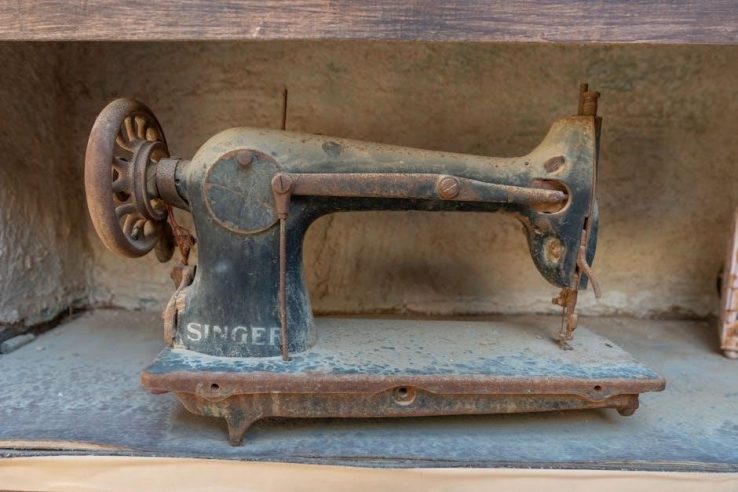
Old Singer Sewing Manuals: A Comprehensive Guide
Delve into the fascinating world of vintage Singer sewing machines! These manuals offer a unique glimpse into a bygone era, providing invaluable insights for enthusiasts and collectors alike.
Historical Significance of Singer Manuals
Singer sewing machine manuals are far more than just instruction booklets; they represent a pivotal period in domestic technology and social history. Emerging alongside the industrial revolution, these manuals democratized sewing, transitioning it from a skilled trade to a common household practice.
Early manuals, often simple in design, reflect the initial adoption of the sewing machine and the need to educate a largely unfamiliar public. As Singer evolved, so did the manuals, becoming increasingly detailed and sophisticated, mirroring advancements in machine technology. They document the changing roles of women, empowering them with greater independence and creative control over clothing and textiles.
Furthermore, these manuals offer a tangible connection to the past, providing insights into the manufacturing processes, marketing strategies, and consumer culture of the 19th and 20th centuries. They are valuable primary sources for researchers studying social, technological, and economic history, offering a unique window into a transformative era.
Early Singer Manuals (1850s-1900s)
The earliest Singer manuals, dating from the 1850s through the turn of the century, were often quite rudimentary. Reflecting the nascent stage of both the company and the technology, these booklets prioritized basic operational instructions. Illustrations, when present, were typically simple line drawings, focusing on core functions like threading and stitch regulation.
These manuals frequently lacked the detailed troubleshooting guides found in later editions. Instead, they emphasized the machine’s novelty and ease of use, aiming to overcome initial consumer apprehension. Paper quality was often modest, and bindings were simple, indicative of the era’s production methods and cost considerations.
As Singer gained prominence, manuals gradually expanded in scope, incorporating more detailed diagrams and explanations. However, they remained relatively concise, assuming a degree of mechanical aptitude from the user. These early manuals represent a fascinating glimpse into the dawn of home sewing technology and Singer’s pioneering role in its development.
The Golden Age of Singer Manuals (1910s-1950s)
The period between the 1910s and 1950s represents the zenith of Singer manual design and content. This era witnessed a significant expansion in both the complexity of Singer machines and the corresponding detail within their accompanying manuals. Illustrations became more sophisticated, utilizing detailed artwork and often incorporating exploded diagrams to clarify internal mechanisms.
Manuals during this time weren’t merely instruction guides; they were comprehensive resources covering machine operation, detailed maintenance schedules, and extensive troubleshooting sections. The inclusion of information on various attachments and their specific uses became standard. Paper quality improved, and many manuals featured durable covers, reflecting Singer’s commitment to quality.
This “Golden Age” also saw the standardization of manual formats, making them easier to navigate and understand. These manuals are highly sought after by collectors and restorers today, offering a wealth of information for preserving these iconic machines.
Identifying Different Singer Sewing Machine Models Through Manuals
Singer sewing machine manuals are invaluable tools for accurate model identification. While serial numbers offer clues, manuals provide definitive confirmation, detailing specific features unique to each model. Early manuals often prominently display the model name and number on the cover, simplifying the process.
Internal illustrations are crucial; diagrams of the machine’s mechanics, particularly the bobbin mechanism and stitch regulators, vary significantly between models. Manuals also list specific attachments included with each machine, offering another identifying characteristic.
Pay close attention to the manual’s publication date and any accompanying model-specific addenda or supplements. These details can differentiate between variations within a model line. Comparing the manual’s illustrations and descriptions with the physical machine is the most reliable method for positive identification, ensuring accurate restoration and parts sourcing.
Dating Your Singer Sewing Machine Using Manual Information
Determining the age of your Singer sewing machine can be achieved through careful examination of its accompanying manual. Manuals frequently include copyright dates or publication information, providing a firm starting point for establishing a timeframe. However, remember that a manual’s date doesn’t always precisely match the machine’s production date.
Early manuals often lack precise dating, relying on stylistic cues and illustrations to indicate their era. Later manuals, particularly those from the 20th century, become more specific. Cross-referencing the manual’s contents with known Singer production timelines is essential.
Consider the manual’s illustrations; the evolution of illustration styles – from simple line drawings to more detailed and colorful depictions – can offer clues. Combine manual information with the machine’s serial number for the most accurate dating, understanding that manuals were sometimes reused across multiple production years.
Types of Information Found in Singer Manuals
Singer sewing machine manuals are treasure troves of practical knowledge for both novice and experienced users. Core content revolves around detailed machine operation instructions, explaining threading, stitch selection, and various machine functions. Crucially, manuals dedicate sections to troubleshooting common issues, guiding users through resolving jams, tension problems, and other mechanical difficulties.
Beyond operation, comprehensive manuals include vital maintenance and oil points diagrams, ensuring longevity and smooth performance. These diagrams illustrate precisely where to apply oil for optimal lubrication. Early manuals often featured simpler explanations, while later editions expanded to cover more complex machine features and attachments.
Many manuals also detail available accessories and their uses, effectively serving as a catalog of Singer’s offerings. Understanding this information unlocks the full potential of your vintage machine.
Machine Operation Instructions
Singer manuals meticulously detail the operation of each sewing machine model. Instructions begin with preparing the machine – winding the bobbin, threading the needle (often with detailed diagrams), and setting up the fabric. They then progress to explain stitch selection, adjusting stitch length and width, and utilizing various presser feet.
Early manuals often focused on straight stitching, while later editions covered zigzag, buttonhole, and decorative stitch capabilities. Clear explanations are provided for tension adjustments, crucial for achieving balanced stitches. Manuals also guide users on techniques like backstitching, pivoting, and handling different fabric types.
These instructions weren’t merely functional; they aimed to empower users to confidently create garments and household items, fostering a culture of home sewing.
Troubleshooting Common Issues
Old Singer manuals dedicate significant space to resolving typical sewing machine problems; Common issues addressed include thread breakage, skipped stitches, uneven tension, and the machine failing to operate smoothly. Manuals provide step-by-step guidance, often starting with simple checks like re-threading the machine correctly or cleaning lint buildup.
They detail how to diagnose and fix issues with the bobbin case, needle plate, and timing mechanisms. Illustrations are frequently used to demonstrate proper component alignment. Manuals also address more complex problems, such as motor malfunctions or issues with the drive belt, offering advice on when professional repair might be necessary.
These troubleshooting sections reflect Singer’s commitment to user self-reliance and machine longevity, empowering owners to maintain their machines independently.
Maintenance and Oil Points
Singer manuals meticulously detail routine maintenance procedures crucial for preserving machine functionality. They emphasize the importance of regular cleaning to remove lint, dust, and old oil, preventing gumming and wear. Detailed diagrams pinpoint specific oil points – often using illustrations – indicating where to apply oil to ensure smooth operation of gears, bearings, and moving parts.
Manuals specify the type of oil recommended (typically a light machine oil), cautioning against using heavier oils that could attract dirt. They outline schedules for oiling, ranging from after each use to monthly intervals, depending on machine usage. Proper lubrication is presented as key to extending the machine’s lifespan and preventing costly repairs.
These sections highlight Singer’s understanding that consistent care is paramount for reliable performance.
The Evolution of Singer Manual Illustration Styles
Early Singer manuals (1850s-1900s) often featured simple, woodcut-style illustrations. These were functional, depicting machine parts and operations with a focus on clarity rather than artistic detail. As printing technology advanced, the 1910s-1950s – considered the “Golden Age” – saw a shift towards more detailed and aesthetically pleasing illustrations.
Manuals from this period incorporated halftone printing, allowing for shaded images and a greater sense of realism. Exploded diagrams became common, showcasing the internal workings of the machine with impressive precision. Color was gradually introduced, initially sparingly, then more extensively, enhancing comprehension and visual appeal.
Later manuals experimented with different artistic styles, reflecting broader design trends. The evolution of these illustrations mirrors Singer’s commitment to both functionality and user experience.
Where to Find Old Singer Sewing Manuals
Locating vintage Singer manuals requires a bit of detective work, but several avenues exist. Online resources are a great starting point, with numerous websites dedicated to preserving and sharing these historical documents. Antique shops and auctions frequently yield treasures, though condition and price can vary significantly.
Estate sales are another promising source, often uncovering entire collections of sewing-related items. Online auction platforms, like eBay, offer a wide selection, but careful examination of photos and descriptions is crucial. Don’t overlook local sewing machine repair shops; they sometimes have manuals accumulated over years of service.
Networking with fellow Singer enthusiasts through online forums and clubs can also lead to valuable finds. Patience and persistence are key to building a comprehensive collection.
Online Resources for Singer Manuals
The internet provides a wealth of resources for locating Singer sewing machine manuals. Several dedicated websites specialize in archiving and providing free access to these valuable documents. Websites often allow searching by model number or year of manufacture, streamlining the process.
Google Flights, while primarily for travel, demonstrates the power of online search for specific needs – a similar approach applies to manual hunting. Internet Archive is a non-profit offering digitized versions of countless manuals, preserving them for future generations. Online forums and communities dedicated to vintage sewing machines are also excellent sources, with members often sharing scans or links to manuals.
Be cautious of download sites requiring registration or promising “free” manuals with hidden costs. Reputable sites prioritize accessibility and preservation.
Physical Sources: Antique Shops and Auctions
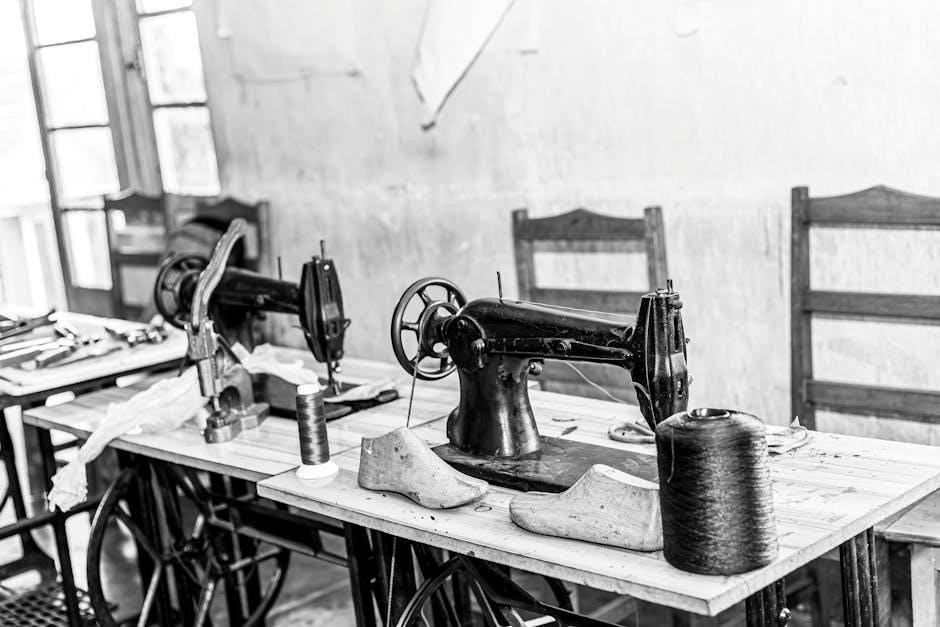
Beyond the digital realm, physical locations remain fruitful hunting grounds for vintage Singer manuals. Antique shops specializing in textiles, sewing machines, or ephemera frequently stock these manuals, often discovered within the machines themselves or as part of larger collections.
Auctions, both live and online, present opportunities to acquire manuals, sometimes as part of a lot including a sewing machine, or occasionally sold individually. A recent auction find included a 1945 Singer manual, highlighting the potential for serendipitous discoveries. Estate sales are another viable option, offering a chance to uncover manuals alongside other vintage household items.
Patience and regular visits are key, as inventory changes frequently. Thoroughly examine any manual before purchase, noting its condition and completeness.
Restoring and Preserving Old Singer Manuals
Preserving these historical documents requires careful handling and restoration techniques. Given their age, manuals often exhibit wear and tear – tears, foxing (brown spots), and brittle pages are common. Avoid aggressive cleaning methods; gentle dusting with a soft brush is preferred.
For minor tears, archival-quality repair tape can be used, ensuring it’s acid-free to prevent further damage. Deacidification sprays can help neutralize acidity in the paper, slowing down deterioration. Consider professional restoration for severely damaged manuals, as they possess specialized skills and materials.
Storage is crucial: keep manuals in a cool, dry, dark place, away from direct sunlight and humidity. Archival-quality sleeves or boxes provide added protection. Careful handling minimizes further damage, ensuring these valuable resources endure for future generations.
Common Problems with Old Manuals and Their Solutions
Old Singer manuals frequently suffer from specific issues due to age and use. Brittle pages are a major concern; handle with extreme care and consider digitizing the manual to reduce physical handling. Missing pages can sometimes be located through online resources or by contacting Singer sewing machine communities.
Water damage causes staining and paper distortion. Gently blot excess moisture (never rub!) and allow to air dry flat, weighted down to prevent curling. Faded ink can be challenging; digital enhancement of scanned images offers a solution. Loose bindings can be carefully re-stitched or secured with archival tape.
Pencil markings or annotations, while potentially valuable, can be distracting. Lightly erasing may be possible, but test in an inconspicuous area first. Prioritize preservation over aggressive correction, as the manual’s history is part of its charm.
The Value of Old Singer Manuals to Collectors
Old Singer sewing machine manuals hold significant value for collectors, extending beyond mere instructional guides. Their worth is driven by rarity, condition, and the specific machine model they accompany. Early manuals (1850s-1900s) are particularly prized, as fewer survived the passage of time.
Manuals in excellent condition – complete, clean, and with intact covers – command higher prices. Those featuring detailed illustrations or unique advertising are also highly sought after. Attachment manuals, detailing optional accessories, are valuable additions to a collection.
Beyond monetary value, these manuals offer a tangible connection to sewing history. They represent a period of innovation and craftsmanship, appealing to enthusiasts interested in the evolution of sewing technology. Collectors often seek manuals to complement their Singer machine restorations, ensuring authenticity.
Using Manuals for Machine Repair and Restoration
Old Singer manuals are indispensable resources for anyone undertaking machine repair or restoration. They provide detailed exploded views of the machine’s internal components, crucial for disassembly and reassembly. Troubleshooting sections pinpoint common issues and offer solutions, saving time and frustration.
Maintenance instructions, including precise oiling points, are vital for ensuring smooth operation and preventing future problems. Manuals often detail specific adjustments needed for different fabrics or stitching techniques. This knowledge is invaluable when restoring a machine to its original working order.
Even if a manual doesn’t cover a specific repair, the diagrams and explanations can offer clues and insights. They allow restorers to understand the machine’s original design intent, guiding them towards accurate and authentic repairs, preserving the Singer’s legacy.
Singer Manuals as Historical Documents
Beyond their practical function, Singer sewing machine manuals serve as compelling historical documents. They offer a unique window into the social and technological landscape of their time, reflecting evolving manufacturing processes and consumer expectations. The language used, the illustrations, and even the paper quality reveal details about the era in which they were produced.
Manuals demonstrate the increasing accessibility of sewing technology to a wider audience, particularly women, and their role in shaping domestic life. They showcase the marketing strategies employed by Singer to promote their machines and build brand loyalty.
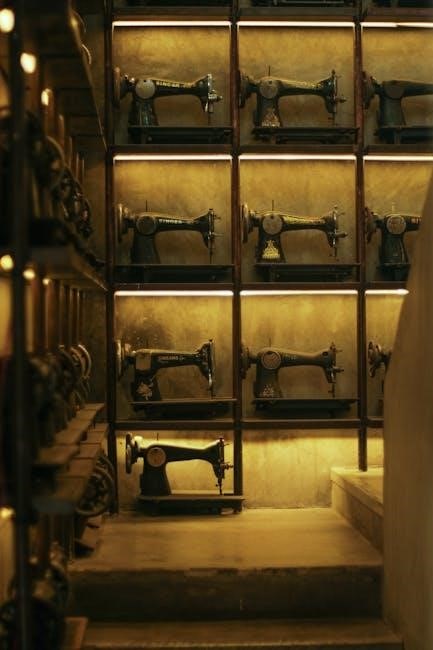
Studying these manuals provides insights into the history of design, engineering, and printing. They are tangible links to the past, offering a fascinating glimpse into a world where craftsmanship and innovation converged, making them valuable artifacts for researchers and historians.
Understanding Singer Attachment Manuals
Singer attachment manuals are distinct from the core machine manuals, detailing the myriad of specialized feet, needles, and accessories designed to expand the functionality of their sewing machines. These often-overlooked booklets are crucial for understanding the full potential of a vintage Singer.
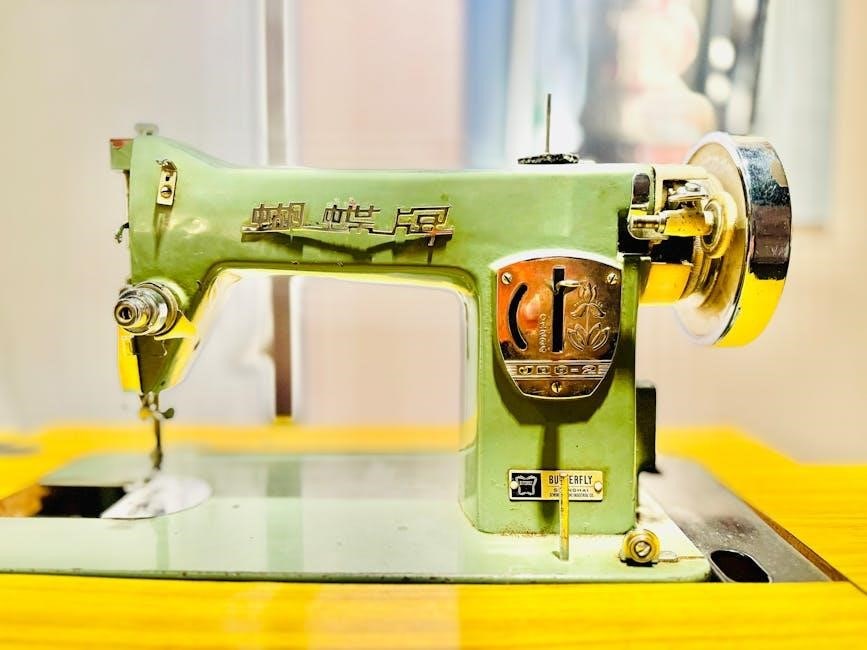
They illustrate how each attachment was used, for tasks ranging from delicate lace work to heavy-duty denim sewing. Identifying the correct attachment for a specific project was key to achieving professional results. These manuals frequently feature detailed diagrams and numbered parts lists, aiding in both use and repair.
Collectors often seek out complete sets of attachment manuals, as they significantly increase a machine’s value and historical completeness. Understanding these manuals unlocks a deeper appreciation for Singer’s innovative approach to sewing technology and the versatility of their machines.
Decoding Singer Serial Numbers and Manual Correlation
Singer serial numbers are vital for dating a sewing machine and, crucially, identifying the correct accompanying manual. These numbers, typically found on the machine’s body, provide a manufacturing date range, allowing for a reasonably accurate assessment of its age.
However, the correlation between serial numbers and manual versions isn’t always straightforward. Singer frequently updated manuals throughout a model’s production run, reflecting design changes and new features. Therefore, a manual’s publication date may differ slightly from the machine’s manufacturing date.

Resources exist online that chart serial number ranges against known manual versions, aiding in accurate identification. Cross-referencing the serial number with the manual’s copyright date and any specific features described within is essential for ensuring a proper match. This process helps preserve the machine’s history and ensures correct operation.
The Impact of Singer Manuals on Sewing Education
Singer sewing manuals played a pivotal role in democratizing sewing education, particularly during the late 19th and 20th centuries. Before widespread access to formal sewing classes, these manuals served as the primary resource for individuals learning to operate a sewing machine.
The clear, step-by-step instructions, often accompanied by detailed illustrations, empowered home sewers to create and repair clothing independently. This accessibility fostered a culture of self-sufficiency and creativity. Singer manuals weren’t merely technical guides; they often included pattern suggestions and project ideas, inspiring users to expand their skills.
Furthermore, the manuals standardized sewing techniques, contributing to a consistent level of craftsmanship. They facilitated the transfer of knowledge across generations, solidifying Singer’s legacy as a cornerstone of sewing education and a catalyst for the home sewing movement.