Overview of Guild Wars 2 Cooking
Cooking in Guild Wars 2 blends gathering with culinary flair, granting buffs, cosmetics, and profit. Players harvest ingredients from farms, mines, and fishing spots then craft dishes at a kitchen or hearth to enhance gameplay.
Cooking Interface and Mechanics
The cooking interface features a recipe list, ingredient slots, and a timer. Drag ingredients into slots, press the cook button, and watch the progress bar. Hotkeys allow quick recipe access, streamlining the cooking process
Interface Layout and Hotkeys
The cooking UI is split into three main panels: the recipe book on the left, the ingredient slots in the center, and the result area on the right. The recipe book lists all unlocked recipes, grouped by tier, and can be filtered by category or ingredient. Clicking a recipe highlights the required ingredients and shows the resulting dish’s stats. The ingredient slots accept items from the inventory; dragging an item into a slot automatically checks for a matching recipe. The result area displays the crafted item’s stats and a progress bar that updates in real time. Hotkeys streamline the process: pressing 1–9 selects a recipe in the recipe book, while 0 toggles the auto‑cook mode. The “C” key opens the cooking menu, and “Shift + C” initiates cooking of the highlighted recipe. Holding “Ctrl” while clicking a recipe locks it for quick access. These shortcuts reduce inventory clutter and speed up cooking during raids or world events. Players can also queue multiple recipes, allowing simultaneous cooking and maximizing output during large-scale events. By mastering these mechanics, chefs craft dishes, support with buffs, and earn income from the market now.
Gathering vs Cooking Interaction
In Guild Wars 2, gathering and cooking are tightly linked, turning harvested crops, ores, fish, and meat into consumable dishes. Each item carries a cooking icon that shows its recipe value. Players drag the item into the cooking interface, and the recipe list instantly updates, highlighting any new dishes that become available. This real‑time feedback encourages exploration, as each biome offers unique ingredients unlocking specific recipes. The interface shows ingredient slots, a result area, and a progress bar that fills as the dish cooks. When a new ingredient is added, the recipe list refreshes and any newly eligible recipes are highlighted. Gathering is not separate; it feeds directly into cooking, allowing chefs to craft on the fly during quests or raids. The synergy extends to the market: rare ingredients can be sold for profit, while the resulting dishes can boost party performance or be sold. Players can queue recipes, boosting throughput during large events. Hotkeys allow quick recipe selection, streamlining the cooking process. Use hotkeys for speed.More This synergy enhances gameplay.
Cooking Slots and Time Management
Cooking in Guild Wars 2 relies on a three‑slot system: an input slot for ingredients, a result slot that shows the finished dish, and a progress bar that displays the remaining time. Each recipe has a base cooking time that can be reduced by the chef’s skill level, by using a higher‑level kitchen, or by applying the “Cooking” skill tree bonuses. When multiple recipes are queued, the game processes them sequentially, so the total time equals the sum of each dish’s cooking time. Players can speed up the process with the “Quick Cook” hotkey, which instantly completes the current dish if the player has enough cooking skill points. The “Chef’s Table” in the kitchen allows batch cooking: you can place up to three recipes at once, and the kitchen will cook them in parallel, each with its own timer. This feature is especially useful during large events or when preparing food for a raid party. Managing these slots efficiently means planning which recipes to queue, when to use Quick Cook, and how to balance cooking time with gathering schedules. By mastering slot usage and timing, you can maximize output and keep your party fed.
Gathering Ingredients
Gathering in Guild Wars 2 involves harvesting crops, mining ore nodes, fishing, and hunting. Each source yields ingredients essential for recipes, and efficient collection boosts cooking output!
Farming Fields and Crop Management
In Guild Wars 2, farming fields are scattered across the world, each offering a variety of crops that players can harvest for cooking ingredients. These fields are marked by distinct terrain features and can be found in regions such as the Bastion, the Heart of the Jungle, and the Crystal Desert. Players must first locate the field, then use the appropriate harvesting tool—usually a scythe or a specialized farming tool to collect the crops. The process is straightforward: approach the crop, press the harvest key, and the item will be added to your inventory. Some fields also provide seasonal or rare crops that only appear during specific events, adding an extra layer of strategy to your gathering routine.
Efficient farming relies on timing and terrain knowledge. Players scout high‑yield fields, noting growth rates and using the best tools. Seasonal crops, like Moonlit Basil, appear only during festivals, offering lucrative rewards. Combining crops into multi‑step recipes unlocks bonus buffs such as temporary health boosts stamina regeneration. Mastering these techniques maximizes output and profit;
Mining Nodes and Ore Types
Mining nodes are scattered throughout the world, providing essential ores for cooking recipes. Each node type—such as copper, iron, or silver—drops specific ingredients like copper ore or iron ingot, which are used in dishes that grant buffs. Players locate nodes by following ore veins marked on the map; Using a mining tool, they harvest the ore, then process it in a smelter to produce refined materials. These refined materials can be combined with other ingredients to create advanced recipes, such as Iron‑Infused Stew or Silver‑Spiced Roast. Seasonal events often introduce rare ores, like Moonstone, that yield unique dishes. Efficient mining requires knowledge of node distribution, optimal tool usage, and timing to maximize yield. By mastering these techniques, players can consistently produce high‑value cooking ingredients and boost their in‑game economy. Players often share their best recipes on community forums, trading rare ingredients for profit, and participating in seasonal cooking contests that reward cosmetics in‑game currency.!!
Fishing Spots and Catchable Items
Cooking in Guild Wars 2 blends gathering with culinary flair, granting buffs, cosmetics, and profit. Harvest ingredients from farms, mines, and fishing spots craft dishes at a kitchen or hearth to enhance gameplay.
Players can upgrade their fishing rods to improve catch rates. Upgrades such as Advanced Bait and Enhanced Rod yield larger fish and rarer items. Like Winter Fishing offer Frozen Cod and Ice‑Crowned Carp. By rotating spots and using the right upgrades, players maximize ingredient variety and profit from selling surplus to the market. Community guides list the best bait combinations for each region, helping players optimize runs. Share bait recipes.!
Hunting Grounds and Meat Sources
In Guild Wars 2, hunting grounds provide a reliable source of meat for cooking. Players can track and hunt various creatures such as Vaal‑Rook, Raptor, and Wyrm in designated zones. Each creature yields specific cuts: Vaal‑Rook drops Vaal‑Rook Meat, a staple for many recipes, while Raptor offers Raptor Meat, prized for its high nutritional value. Advanced hunts like Wyrm yield Wyrm Meat, which is essential for rare dishes that grant powerful buffs. The hunting process involves locating the creature’s spawn point, using the appropriate weapon or skill, and then collecting the meat from the corpse. Players can also use Hunting Trophies to increase the yield or unlock special recipes. Additionally, seasonal events often introduce unique hunting grounds that provide exclusive meats, such as Fire‑Fang during the Fire Festival. By strategically rotating hunting grounds and combining the meat with other ingredients, cooks can maximize their recipe output and profit from the market. Players can also trade surplus meat at the market for rare cooking ingredients, boosting their culinary reputation. daily!
Recipes and Unlocking
Recipes unlock as you level up, gather ingredients, and complete quests. Basic recipes start at level 1, advanced ones require rare items. Use the Cooking Guild to access new recipes and enhance your culinary skills. Enjoy!!
Basic Cooking Recipes and Levels
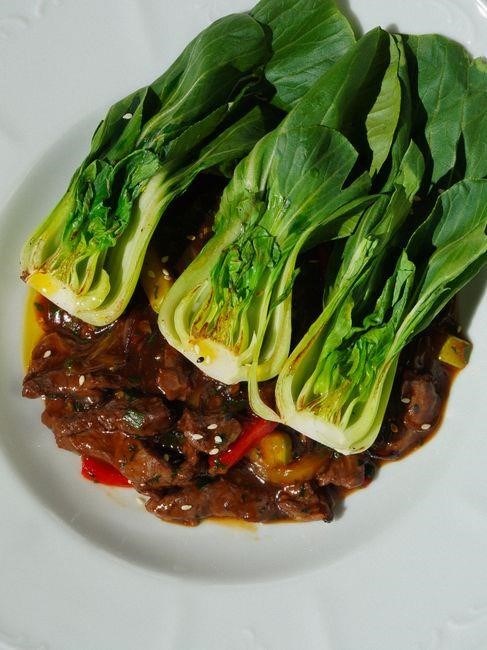
At the start of your culinary journey, basic recipes form the foundation of your cooking skill. These simple dishes use common ingredients—wheat, carrots, simple meats, and basic herbs—gathered from farms, mines, or fishing spots. Each recipe unlocks at a specific level threshold; for example, “Simple Stew” becomes available at level 1, while “Grilled Fish” opens at level 5. As you level up, new basic recipes appear, each offering modest stat bonuses such as a small boost to health, stamina, or a particular skill. The early recipes also introduce you to the cooking interface: selecting ingredients, watching the timer, and managing the kitchen’s limited slots. Mastering these fundamentals is crucial, as they provide the first taste of the game’s reward system and help you build a reliable supply of buffs for solo or group play. Keep an eye on the in‑game recipe book, which updates automatically as you meet level requirements and gather necessary items. By consistently cooking these simple dishes, you’ll strengthen your character and higher‑level recipes that require rare ingredients. Progression ensures cooking remains a rewarding quick experience fast!!.
Beyond the basic dishes, advanced recipes demand exotic ingredients harvested from the world’s most dangerous locations. These high‑tier meals—such as “Dragonfire Stew” or “Celestial Roast”—require rare herbs, enchanted meats, or minerals only found in deep caves, high‑altitude farms, or during special events. Each advanced recipe unlocks at a higher cooking level, typically between 20 and 50, and grants significant bonuses: large health or stamina boosts, unique cosmetic effects, or temporary skill enhancements. Gathering rare components involves processes: locate source node, collect raw material, refine with smelting or distilling. Players frequently trade or sell surplus rare ingredients on the market to fund their cooking ventures. Mastery of advanced cooking also opens access to “Chef’s Specials” that can be used in guild events or for personal prestige. The complexity of these recipes encourages exploration, encourages cooperation, and rewards players who invest time in the world’s hidden corners. By sourcing cooking these rare dishes, you’ll elevate your character’s performance and unlock unique flair that distinguishes you from other cooks.!!
Unlocking Recipes through Cooking Guilds
In Guild Wars 2, cooking guilds serve as a central hub for recipe discovery and progression. Each guild offers a dedicated cooking tab where members can view available recipes, track personal unlocks, and participate in guild‑specific cooking challenges. To unlock a recipe, a player must first complete the associated cooking quest or gather the required ingredients, then submit the dish to the guild kitchen. Successful submissions grant experience points that contribute to the guild’s collective cooking level, unlocking new recipes for all members. Additionally, guilds often host seasonal events that provide exclusive recipes not obtainable elsewhere. Members can also trade rare ingredients within the guild, accelerating recipe acquisition. By actively engaging with the guild’s cooking system, players can rapidly expand their culinary repertoire, gain access to high‑tier dishes, and contribute to the guild’s overall prestige.
Guilds also offer weekly cooking contests where top chefs earn rare rewards, fostering a vibrant community of culinary artists who share recipes and tips across all regions.
Advanced Tips and Community Resources
Mastering very cooking requires ingredient sourcing, timing, guild collaboration. Utilize community forums, recipe databases, and streamslive for tips, hacks, and market insights!! Enjoy!.
Cooking for Events and Seasonal Content
Seasonal festivals in Guild Wars 2 unlock unique cooking opportunities. During Winter Solstice, players can gather rare herbs and craft “Frosted Gingerbread,” which grants temporary cold resistance and stamina regen. The dish is only available during the festival window, encouraging timely ingredient collection. It also rewards a festive buff that boosts damage.
The Harvest Festival offers “Pumpkin Pie” and “Roasted Corn” recipes that boost health regeneration and grant a chance to trigger a Harvest buff, enhancing loot drops. These dishes require ingredients that appear only in specific zones during the event, so players should farm seasonal crops early to maximize benefits. It also boosts guild reputation.
The Dragon’s Breath event in the Dragon Isles offers limited‑time recipes like “Dragonfire Stew” that grant a temporary boost to damage and health. Completing these challenges yields rare ingredients and unique cosmetics. Players should monitor the event calendar, gather ingredients quickly, and use the “Quick‑Cook” feature to maximize profits before the window closes!!
Market Trading and Profitability
Profiting from cooking hinges on supply, demand, and timing. First, identify high‑margin dishes: “Saffron Stew,” “Spiced Meat,” and “Mushroom Soup” often sell above 1,000 gold during peak activity. Track market trends via the Trade Hub, noting price spikes when events or expansions release new ingredients. Second, source ingredients efficiently: bulk farming of common crops and mining of low‑tier ores reduces cost. Third, leverage the “Quick‑Cook” option to produce multiple servings in a single session, increasing output. Finally, monitor the market’s “Buy‑Sell” spread; buy ingredients when prices dip and sell finished dishes when the spread widens. By cycling through these steps, players can turn cooking into a steady income stream, especially during seasonal content when demand surges.
Players should also consider market timing; buying ingredients when prices dip and selling dishes during peak demand can double profits. High‑tier recipes like “Dragonfire Stew” command premium prices, paired with! Tracking the Trade Hub’s daily charts helps spot buying opportunities and avoid over‑supply.
Community Guides and Forums
Guild Wars 2’s cooking community thrives on shared knowledge. Dedicated Discord servers, Reddit threads, and the official forums host tutorials, ingredient charts, and market analyses. Players often collaborate to create “cook‑off” challenges, testing recipes for buffs and profit. The Cooking Guilds subreddit offers weekly ingredient spotlights, while the GW2 Cooking Wiki maintains a comprehensive database of recipes, required levels, and optimal cooking times. Market traders use the GW2 Market to track price fluctuations, and many community members publish daily profit calculators. For newcomers, the “Beginner’s Guide to Cooking” on the official forums walks through gathering, crafting, and selling basics. Advanced players share “meta‑cook” strategies, such as batching high‑tier dishes during seasonal events to maximize returns. By engaging with these resources, cooks can stay ahead of trends, refine techniques, and turn culinary skill into a profitable venture. Community members also host weekly cooking contests, sharing recipes and tips that help new cooks master advanced techniques and maximize profits. daily.?!