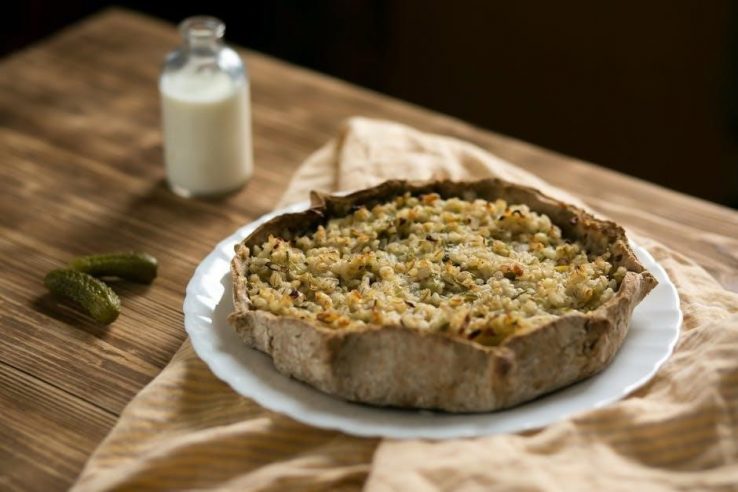
Marie Callender’s Chicken Pot Pie: A Comprehensive Cooking Guide
Marie Callender’s offers convenient comfort food, consistently delivering flavor and texture in frozen entrees. This guide details optimal cooking methods for a delightful experience.
Understanding the Product
Marie Callender’s Chicken Pot Pie represents a convenient and comforting meal option, widely recognized for its quality within the frozen food sector. Unlike some frozen meals perceived as lacking flavor, Marie Callender’s consistently delivers on both taste and texture, establishing itself as a trusted brand. The appeal lies in its ability to replicate a homemade experience with minimal effort.
These pies aren’t simply assembled; they aim to capture the essence of a traditional chicken pot pie, featuring a flaky crust and a savory filling. Understanding this focus on quality is key to appreciating the cooking instructions, as proper preparation enhances the already present flavors. The product aims to be a satisfying and accessible indulgence for individuals and families alike.
Different Varieties of Marie Callender’s Chicken Pot Pie
Marie Callender’s offers a range of Chicken Pot Pie options to cater to diverse preferences. Beyond the classic, you’ll find varieties like Extra Veggies, offering a more substantial vegetable content for health-conscious consumers. There are also options featuring different crust styles, potentially including lattice or traditional solid crusts, impacting the baking experience slightly.
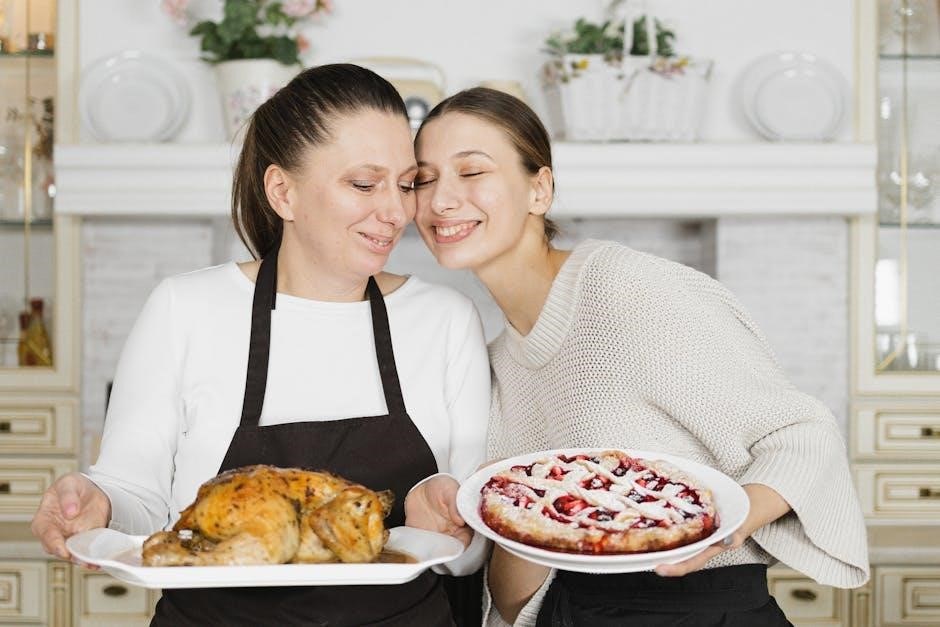
Furthermore, Marie Callender’s frequently introduces limited-edition or seasonal flavors, expanding beyond the core offering. While cooking instructions generally remain consistent across varieties, slight adjustments might be needed based on filling density or crust thickness. Always refer to the specific package instructions for the most accurate guidance, ensuring optimal results for each unique pie.
Package Information and Net Weight
Marie Callender’s Chicken Pot Pies are typically packaged in a frozen, rectangular cardboard box displaying a prominent image of the finished product. Key information printed on the packaging includes detailed cooking instructions for both oven and microwave methods, nutritional facts, ingredient lists, and allergen warnings. The net weight varies depending on the specific variety and size.
Standard individual-serving pies generally weigh around 10-12 ounces (283-340 grams), while larger family-size pies can exceed 2 pounds (907 grams). Always check the package for the precise net weight, as this impacts cooking times. The box also features a “best by” date to ensure optimal quality and flavor. Retain the packaging for reference during preparation.
Cooking Instructions: Oven Method
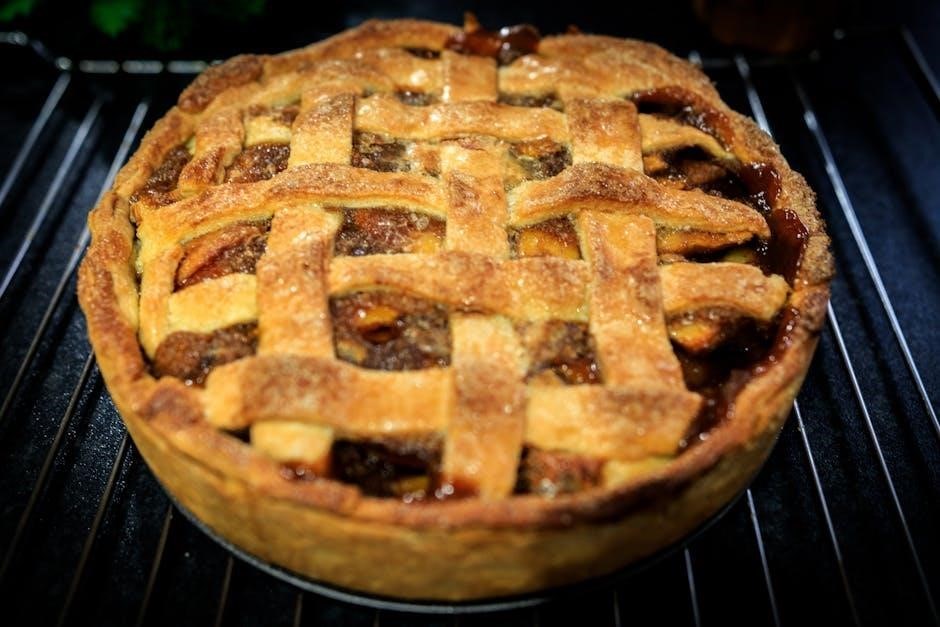
Oven baking delivers the flakiest crust and most evenly heated filling for Marie Callender’s Chicken Pot Pie, ensuring a comforting and delicious meal.
Preheating the Oven
Proper preheating is crucial for achieving a golden, flaky crust and ensuring the filling is heated thoroughly. Begin by setting your oven to 375°F (190°C). Allow sufficient time for the oven to reach the desired temperature – typically around 15-20 minutes. Using an oven thermometer is highly recommended to verify accuracy, as oven temperatures can vary.
A fully preheated oven guarantees even cooking and prevents the pot pie from becoming soggy or undercooked. Avoid opening the oven door frequently during preheating, as this can cause temperature fluctuations. Patience during this initial step will significantly contribute to the final quality of your Marie Callender’s Chicken Pot Pie.
Preparing the Pie for Baking
Before baking, remove the Marie Callender’s Chicken Pot Pie from its packaging. If frozen, there’s no need to thaw – it’s designed to bake directly from frozen! Place the pie on a baking sheet. This is essential to catch any potential spills or bubbling filling during the baking process, keeping your oven clean.
For enhanced crust browning, lightly brush the top crust with melted butter or milk. This adds a beautiful golden color and a slight richness. You can also make a few small slits in the top crust with a knife to allow steam to escape, preventing the crust from becoming overly puffy or bursting. Ensure the pie is centered on the baking sheet for even heat distribution.
Baking Time and Temperature (Standard Oven)
For a standard oven, preheat to 375°F (190°C). Once preheated, place the prepared Marie Callender’s Chicken Pot Pie onto the middle rack. Bake for approximately 50-60 minutes. The exact baking time will depend on your oven and whether the pie was frozen or partially thawed.
Begin checking for doneness around the 50-minute mark. The pie is ready when the crust is golden brown and the filling is bubbling vigorously, especially around the edges. A knife inserted into the center should meet with little resistance. If the crust is browning too quickly, tent it loosely with aluminum foil during the last 15-20 minutes of baking.
Baking Time and Temperature (Convection Oven)
When using a convection oven, reduce the temperature to 350°F (175°C). Convection ovens circulate hot air, leading to faster and more even cooking. Place the Marie Callender’s Chicken Pot Pie directly onto the middle rack. Bake for approximately 40-50 minutes, checking for doneness starting at the 40-minute mark.
Look for a golden-brown crust and a bubbling filling. The internal temperature should be hot throughout. Because convection ovens cook more quickly, monitor the pie closely to prevent burning. If the crust begins to darken too rapidly, cover it loosely with aluminum foil. Remember to adjust cooking times based on your specific convection oven model.
Cooking Instructions: Microwave Method
For quick heating, the microwave offers convenience. However, the crust may not become as crispy as oven-baked options, impacting texture slightly.
Microwave Power Levels
Utilizing the correct microwave power level is crucial for evenly heating your Marie Callender’s Chicken Pot Pie. Most microwaves operate with varying power settings, typically ranging from 10% to 100%. For optimal results, it’s generally recommended to cook the pie at a medium power level – around 50% to 70%.
Lower power levels allow the heat to penetrate the frozen center more gradually, preventing the crust from becoming overly tough or burning before the filling is adequately heated. Higher power settings can lead to uneven cooking, with a scorching crust and a still-frozen interior. Always consult your microwave’s manual for specific power level guidance, as wattage and settings can vary between models. Experimenting slightly with power levels may be necessary to find what works best for your appliance.
Microwave Cooking Time
Determining the appropriate microwave cooking time for a Marie Callender’s Chicken Pot Pie depends heavily on your microwave’s wattage and the chosen power level. As a general guideline, cooking at 50% power for approximately 8-12 minutes is a good starting point. For 70% power, reduce the time to around 6-10 minutes.
It’s essential to rotate the pie halfway through the cooking process to promote even heating. Begin checking for doneness around the 8-minute mark, and add additional cooking time in 1-2 minute increments if needed. Remember, microwave cooking times are estimates; always prioritize checking the internal temperature to ensure the filling is thoroughly heated before consumption. Consistent monitoring prevents undercooking or overheating.
Checking for Doneness in the Microwave
Assessing doneness after microwaving a Marie Callender’s Chicken Pot Pie requires careful attention. The filling should be bubbling hot throughout, and a fork inserted into the center should meet with minimal resistance. Avoid relying solely on visual cues, as microwaves can heat unevenly.
Use a food thermometer to verify the internal temperature reaches 165°F (74°C) in the thickest part of the filling. If the pie isn’t sufficiently heated, continue microwaving in 1-minute intervals, rotating between each check. Be cautious of steam when piercing the crust. A thoroughly heated pie ensures both safety and optimal enjoyment of its comforting flavors and textures.
Tips for Optimal Results
For best results, ensure even heating and a flaky crust. Consider optional vegetable additions to personalize your Marie Callender’s Chicken Pot Pie experience!
Ensuring Even Heating
Achieving uniform temperature throughout your Marie Callender’s Chicken Pot Pie is crucial for a satisfying meal. Begin by verifying your oven’s accuracy with an oven thermometer, as variations can significantly impact cooking times; When baking, rotating the pie halfway through the recommended baking period promotes even browning and prevents hot spots.
For microwave cooking, utilize the turntable function if available, as it aids in distributing microwave energy more evenly. If your microwave lacks a turntable, pause halfway through cooking and rotate the pie manually. Allowing a brief standing time after cooking, regardless of the method, allows heat to distribute fully, ensuring the filling is consistently warm and the crust is delightfully crisp; Remember, consistent heat equals consistent enjoyment!
Preventing a Soggy Crust
A crisp, flaky crust is essential for enjoying Marie Callender’s Chicken Pot Pie. To avoid sogginess, ensure the oven is fully preheated before placing the pie inside; a hot oven jumpstarts crust development. Baking directly on the oven rack, rather than a baking sheet, allows for better air circulation underneath the pie.
For microwave cooking, utilize a microwave-safe crisping sleeve or plate designed to absorb moisture and promote a slightly crisper texture. Avoid covering the pie with plastic wrap, as this traps steam. Letting the pie stand for a few minutes post-cooking allows residual heat to further crisp the crust. A little attention to detail guarantees a delightful, non-soggy bite every time!
Adding Extra Vegetables (Optional)
Enhance your Marie Callender’s Chicken Pot Pie with additional vegetables for a personalized touch! Consider adding a half-cup of frozen peas, carrots, or green beans directly to the filling before baking. Diced potatoes or mushrooms also complement the existing flavors beautifully.
For best results, ensure the added vegetables are pre-cooked or quickly sautéed to prevent them from releasing excess moisture during baking, which could lead to a soggy pie. Stir the vegetables gently into the filling, ensuring even distribution. This customization allows you to tailor the pie to your preferences and increase its nutritional value, creating a truly satisfying meal!
Safety Precautions
Always handle the hot pie with oven mitts. Store leftovers properly in the refrigerator and be aware of potential allergens within the ingredients.
Handling Hot Pie
Extreme caution is advised when handling a freshly baked Marie Callender’s Chicken Pot Pie, as the filling and crust reach very high temperatures. Always utilize oven mitts or heat-resistant pot holders to protect your hands from burns. Avoid direct contact with the baking dish or pie tin, as these surfaces will also be extremely hot.
Carefully remove the pie from the oven and allow it to cool for a few minutes before serving. Even after a short cooling period, the filling can remain molten and cause scalding if disturbed. When portioning the pie, use a sturdy serving utensil to prevent spills and potential burns. Supervise children closely when serving, ensuring they understand the pie is hot and requires careful handling. Prioritize safety to enjoy this comforting meal without incident.
Proper Food Storage
Leftover Marie Callender’s Chicken Pot Pie should be stored promptly to maintain quality and prevent bacterial growth. Allow any remaining pie to cool completely before transferring it to an airtight container. This prevents condensation buildup, which can lead to a soggy crust. Refrigerate leftovers within two hours of cooking.
Properly stored, leftover pie will remain safe to consume for up to three to four days. For longer storage, the pie can be frozen; however, the texture of the crust may change upon thawing. Ensure the pie is well-wrapped to prevent freezer burn. Always reheat the pie thoroughly to an internal temperature of 165°F (74°C) before serving to eliminate any potential foodborne illnesses.
Allergen Information
Marie Callender’s Chicken Pot Pie contains common allergens that individuals with sensitivities should be aware of. The product typically includes wheat, soy, and milk. It may also contain eggs. Always review the specific ingredient list on the package, as formulations can change.
The pie may be produced in a facility that also processes tree nuts, peanuts, and fish, presenting a potential cross-contamination risk for those with severe allergies. Individuals with celiac disease or gluten intolerance should avoid this product due to the wheat content. If you have any concerns regarding allergens, it is best to contact Marie Callender’s directly for the most up-to-date and accurate information before consumption.
Troubleshooting Common Issues
Marie Callender’s pies sometimes experience uneven heating or dryness. Adjust baking times and temperatures, or ensure proper microwave power levels for best results.
Crust is Burning
If the Marie Callender’s chicken pot pie crust is browning too quickly while the filling remains frozen, several adjustments can be made. First, reduce the oven temperature by 25 degrees Fahrenheit and extend the baking time accordingly. Covering the edges of the pie crust with aluminum foil during the latter half of baking will shield it from direct heat, preventing burning.
Ensure the pie is placed on a middle rack in the oven for even heat distribution. Also, verify your oven’s calibration; an overly hot oven can cause rapid crust browning. For microwave cooking, reduce the power level and check frequently. Remember, a slightly golden crust is desirable, but a dark, burnt crust indicates excessive heat.
Filling is Still Frozen
If your Marie Callender’s chicken pot pie’s filling remains frozen after the recommended baking time, several factors might be at play. Ensure the oven is properly preheated to the specified temperature before placing the pie inside. A lower oven temperature or inconsistent heating can lead to incomplete thawing. Consider extending the baking time in 5-10 minute increments, checking for doneness after each interval.
For microwave cooking, verify the microwave’s wattage and adjust the cooking time accordingly. If using a convection oven, confirm it’s set to the correct mode. Avoid opening the oven door frequently during baking, as this releases heat and prolongs the cooking process. A frozen center indicates insufficient heat penetration.
Pie is Too Dry
If your Marie Callender’s chicken pot pie emerges from the oven excessively dry, it suggests moisture loss during baking. Reducing the baking time slightly can help retain more liquid within the filling. Covering the pie loosely with aluminum foil during the latter half of the baking process can also minimize evaporation.
Ensure the oven temperature isn’t set too high, as excessive heat accelerates moisture loss. For microwave cooking, avoid overcooking, as microwaves can quickly dry out the filling. Adding a tablespoon of chicken broth or water to the filling before baking (optional) can provide extra moisture. Remember, consistent oven temperature is key to a juicy pot pie.